
Commercial Automatic Sensor Urinals: Engineering Next-Generation Touchless Restrooms for Global Architecture & Commercial Real Estate
As global commercial real estate demands higher standards of hygiene, water conservation, and operational efficiency, automatic sensor urinals have transformed from luxury additions into vital infrastructure requirements. Discover technical sensor mechanisms, LEED compliance standards, maintenance life cycles, and Colston’s enterprise-grade sanitaryware manufacturing capabilities.
The Evolution of Automatic Sensor Urinals: From Passive Infrared to Concealed Radar Sensing
In high-density commercial environments—such as international airports, grade-A corporate towers, shopping complexes, and luxury hospitality venues—the public washroom serves as a direct indicator of facility quality. Traditional manual flushometers and continuous drip-flush urinals are rapidly being phased out worldwide due to high water wastage, cross-contamination risks, and intensive maintenance demands.
The modern automatic sensor urinal represents a sophisticated fusion of ceramic hydraulic design, micro-electronics, and automated fluid dynamics. Understanding the core technology behind touchless flushing systems is essential for mechanical, electrical, and plumbing (MEP) engineers, project architects, and global sanitaryware procurement officers.
1. Active Infrared (PIR) vs. Concealed Microwave Radar Sensing
Commercial automatic urinals operate primarily through two distinct sensing modalities:
- Active Infrared (IR) Optical Sensing: Utilizes an infrared light-emitting diode (LED) alongside a photodiode receiver. When a user enters the calibrated beam range (typically 40cm to 70cm), light reflects back to the sensor, initiating a countdown timer. Modern IR sensors feature Time-of-Flight (ToF) distance measurement to eliminate false flushes caused by dark clothing or reflective metallic surfaces.
- Hidden Microwave / Radar Sensing: Represents the cutting edge of touchless sanitaryware design. Operating on the 5.8GHz high-frequency electromagnetic wave band, microwave sensors can detect physical movement and fluid mass changes directly through the ceramic wall of the urinal. Because the sensor unit is installed inside the trap or completely behind the vitreous china body, it is 100% vandal-proof, immune to surface dirt accumulation, and aesthetically invisible.
2. Intelligent Micro-Controller Unit (MCU) Logic
Colston’s automatic sensor urinal systems incorporate specialized 8-bit and 32-bit MCUs running proprietary flush-management algorithms. The MCU delivers a two-stage adaptive flushing cycle:
- Pre-Flush Phase (Optional 0.5s Pulse): Wetting the bowl ceramic surface prior to use prevents uric acid crystal adhesion and reduces total water usage during the main flush.
- Main Flush Phase (1.5s - 3.0s Smart Pulse): Delivers an engineered volumetric flush immediately after the user steps away, rinsing the trap cavity completely while consuming as little as 0.5 liters of water.
- Staggered High-Frequency Flush Protection: During peak usage hours, the intelligent MCU detects continuous traffic and automatically switches to a water-saving eco-mode, flushing only after a set interval rather than after every single user.
- 24-Hour Automated Hygiene Pulse: If a fixture remains unused for 24 consecutive hours, the controller automatically triggers a full trap-replenishment flush to prevent sewer gas backflow caused by dry P-traps.
Key B2B Procurement Trends & Environmental Compliance Standards (2025–2030)
When evaluating bulk procurement contracts for commercial sanitaryware, global sourcing directors must align their purchasing strategy with international green building certifications, smart facility protocols, and life-cycle costing models.
1. Ultra-Low Water Consumption
Engineered rimless bowl geometries paired with high-velocity jet nozzles achieve full bowl rinsing with 0.5 LPF (0.125 GPF), meeting stringent LEED v4.1 credit targets.
2. IoT Restroom Telemetry
Integration with Building Management Systems (BMS) via RS-485 or wireless mesh networks allows real-time monitoring of flush counts, battery voltages, and leak detection.
3. Self-Powered Hydro-Turbines
Miniaturized internal hydroelectric turbines generate power from flowing water during flushes, eliminating the need for AC wiring or frequent battery replacements.
Environmental Certification Standards: LEED, BREEAM, and WELL
Water efficiency is a primary metric in modern commercial architecture. High-efficiency automatic sensor urinals contribute significantly toward earning points in regional and global green building scorecards:
- LEED v4.1 Water Efficiency (WE): Mandatory baseline performance requires a 20% reduction in indoor water use. Colston’s 0.5 LPF sensor urinals assist developments in achieving up to 50% water savings over baseline (2.0 LPF) fixtures, earning maximum points under the Indoor Water Use Reduction category.
- BREEAM International (Wat 01 Water Consumption): Evaluates building water consumption per occupant per day. Automatic sensor valves featuring solenoid micro-throttling guarantee precise flow control regardless of variable dynamic supply pressures (0.1 MPa to 0.6 MPa).
- WELL Building Standard (Hygiene & Surface Safety): Mandates hands-free touchless fixtures across all public restrooms to diminish microbial transfer vectors and promote occupant wellness.
Material Science: Antibacterial Ceramic Glazing & Hydraulic Efficiency
Ceramic engineering is as vital as electronic sensor quality. Standard ceramic glazes exhibit microscopic surface pores where calcium deposits, uric acid scale, and bacterial colonies aggregate over time. Premium commercial urinals utilize high-fire vitreous china fused with silver-ion nanoscale coatings (such as Colston’s NanoShield™ Glaze). High-temperature firing at 1280°C creates an ultra-smooth, hydrophobic surface with a water absorption rate under 0.2%, preventing odor retention and significantly reducing chemical cleaning requirements for maintenance teams.
Colston Commercial Touchless Sanitaryware Portfolio
Colston designs and manufactures an extensive catalog of intelligent commercial sanitaryware solutions tailored for international architectural specifications. View our recommended automatic sensor urinals and integrated touchless products engineered for high-traffic environments:
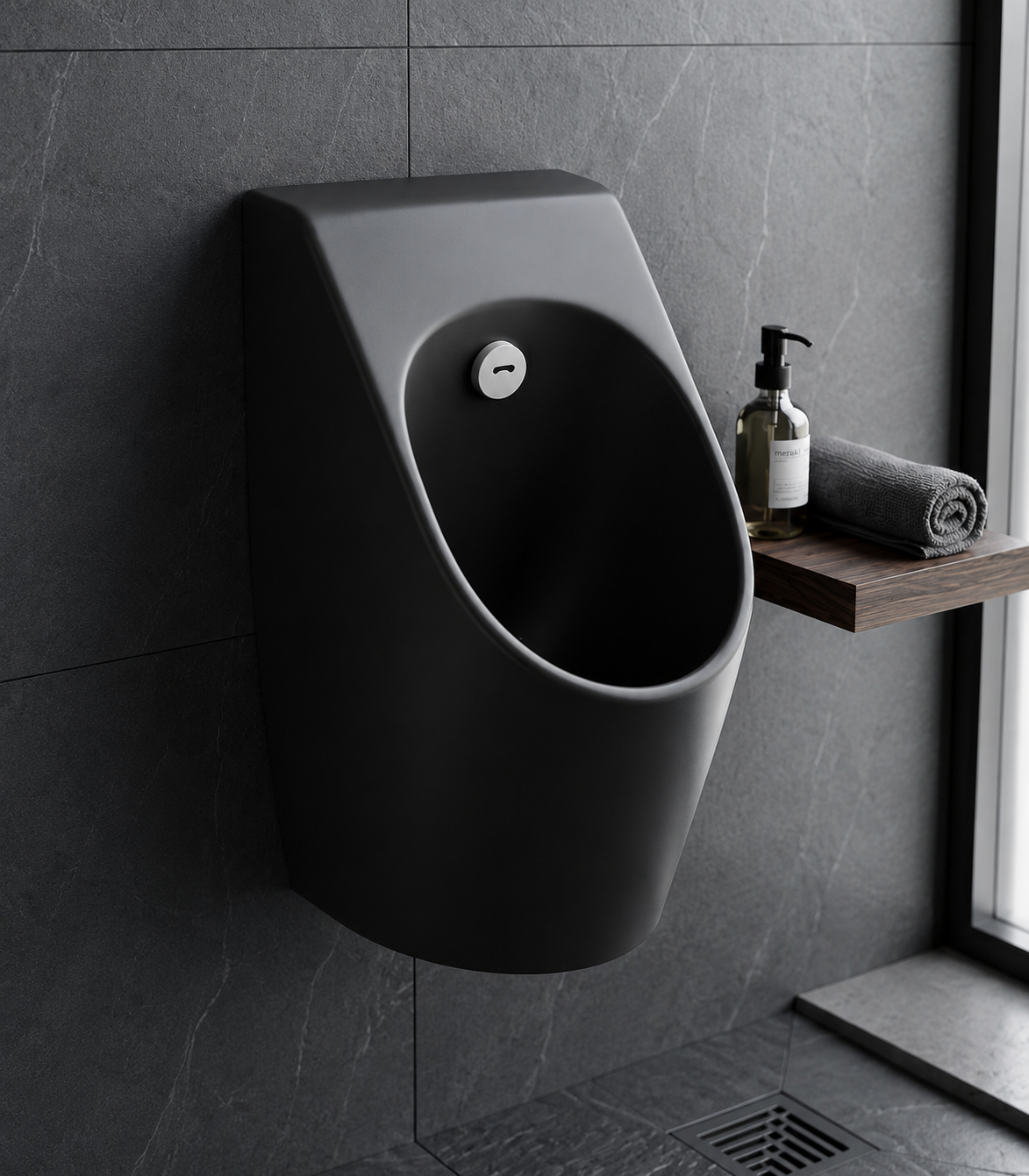
Wall-Hung Commercial Sensor Urinal
Integrated infrared sensor module, vitreous china body with NanoShield anti-bacterial glaze. Available in dual AC (110V-240V) and DC 6V battery configurations. Engineered for 0.5 LPF micro-flushing.
Get Catalog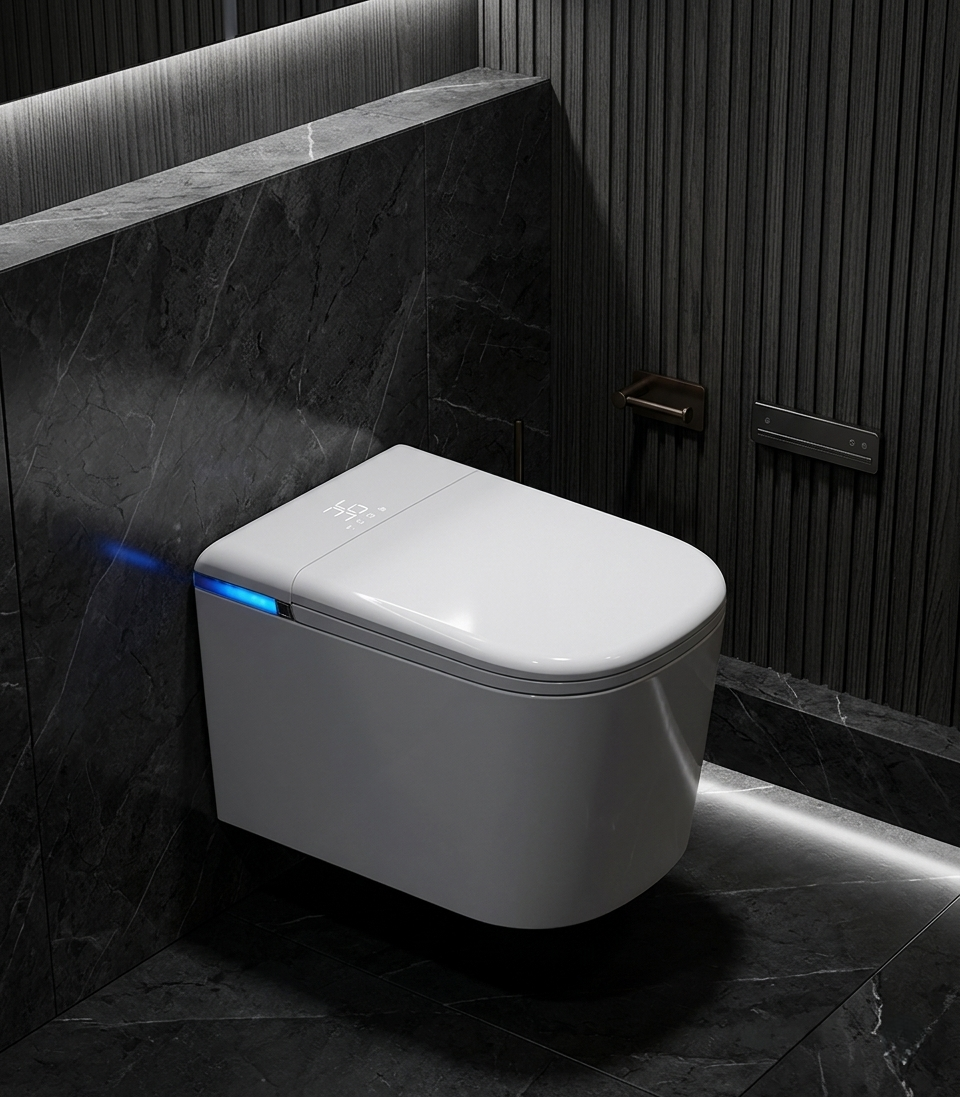
Intelligent Auto-Flush Bidet WC
Touchless automatic radar flush, heated seat, integrated bidet system, and automated rim-cleaning hydro-jets designed for executive suites and luxury commercial developments.
Get Catalog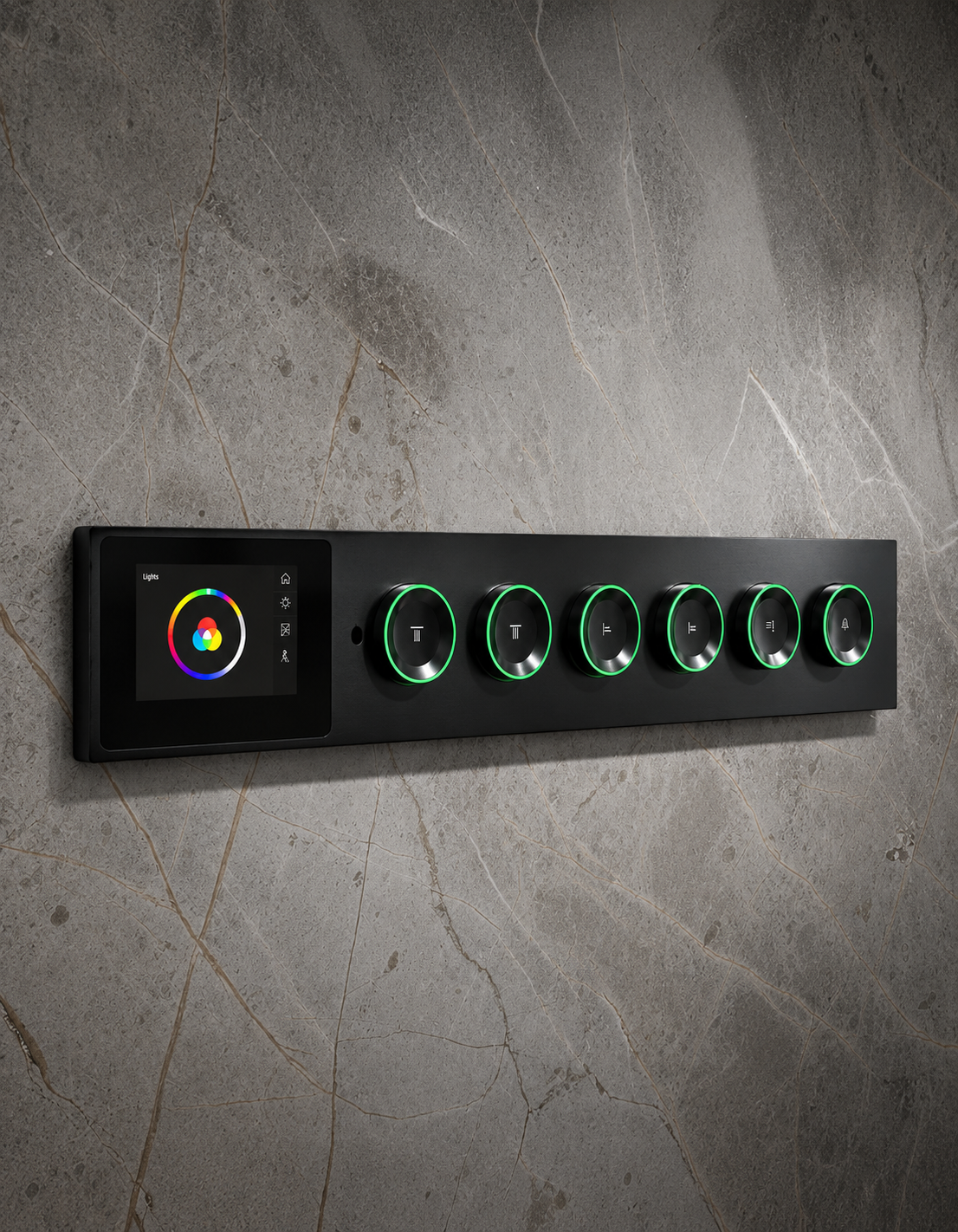
Concealed Sensor Flush Valve
Architectural grade 304 stainless steel wall plate with hidden infrared sensing window, manual override mechanical push button, and brass solenoid valve for wall-concealed installations.
Get Catalog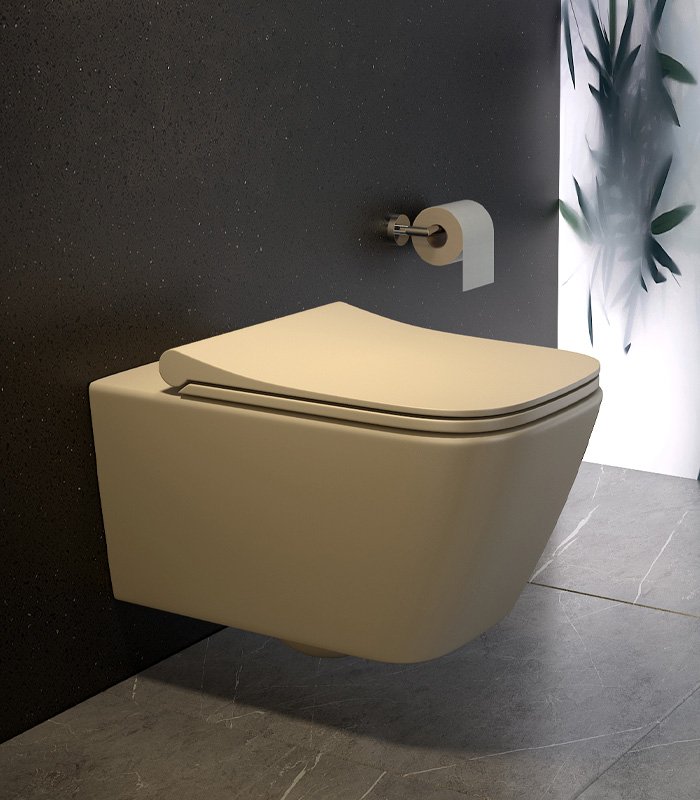
Custom Matte Finish Sanitaryware
Architectural color-match sanitaryware including matte black, cappuccino, and stone finishes with integrated sensor flushing technology for luxury commercial interiors.
Get Catalog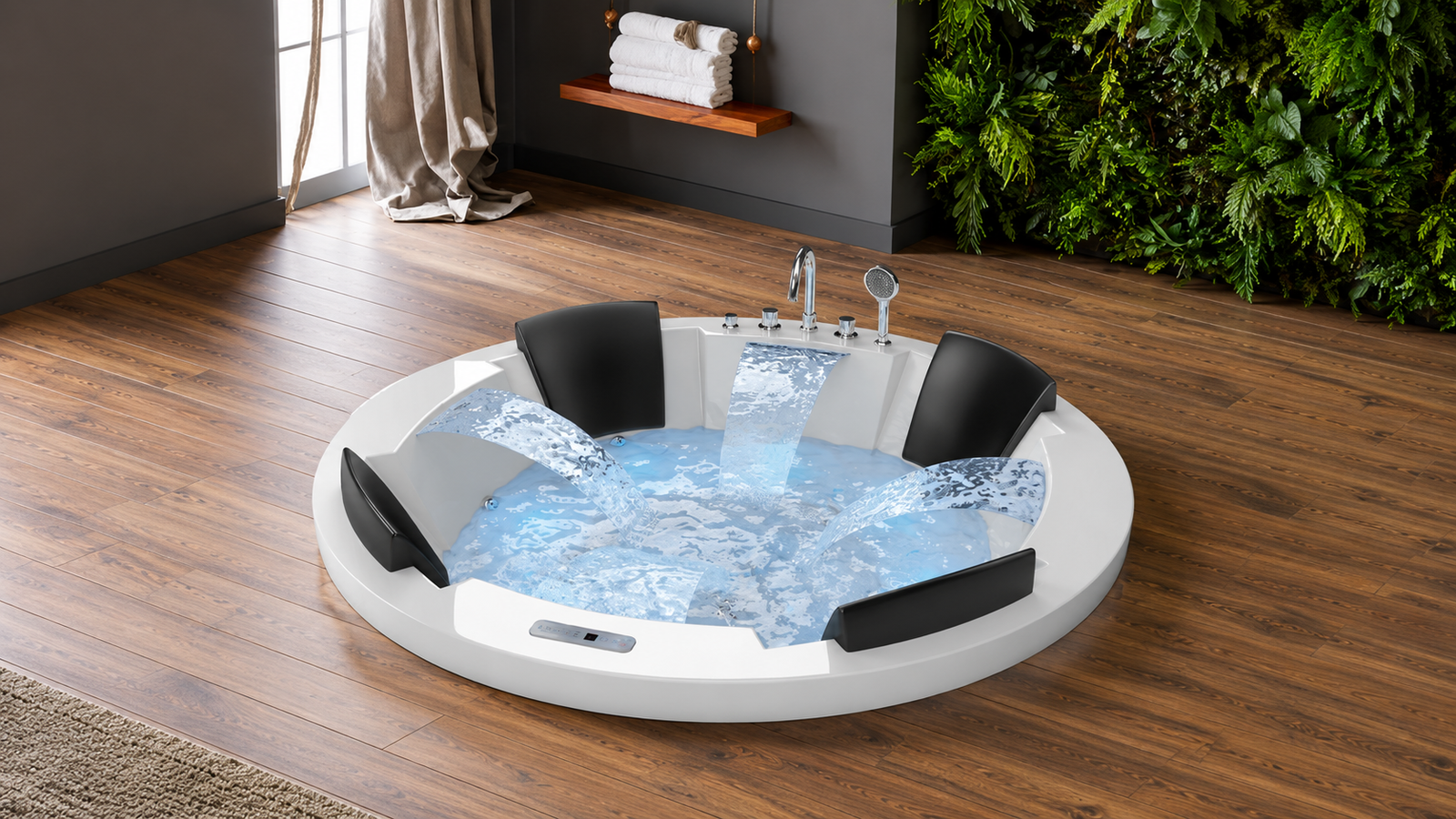
Integrated Smart Restroom Suite
Centralized touchless ecosystem coordinating sensor urinals, automatic sensor faucets, soap dispensers, and smart hand drying hubs for frictionless public restrooms.
Get Catalog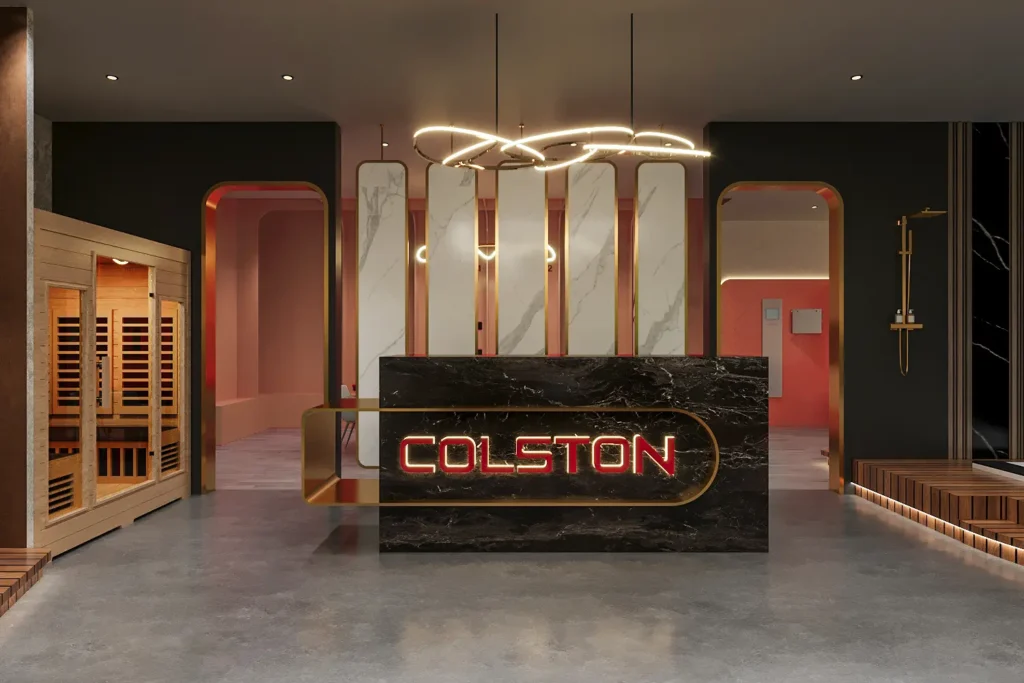
Project Mockup & Specification
Test and evaluate active water pressure, sensor calibration, and physical aesthetics at Colston's Flagship Live Center or request 3D BIM/CAD files for project modeling.
Get CatalogEngineering Comparison & Technical Specifications Table
Review the mechanical and electrical parameters for Colston commercial automatic sensor urinals:
| Parameter / Feature | Infrared Wall-Exposed Urinal | Concealed Microwave Sensor Urinal | Hydro-Turbine Self-Powered Urinal |
|---|---|---|---|
| Sensing Technology | Active Pulsed IR Optical (850nm) | 5.8GHz High-Frequency Radar | Pulsed IR / Radar Hybrid |
| Flush Volume Rate | 0.5 LPF to 1.5 LPF (Adjustable) | 0.4 LPF to 1.2 LPF (Adjustable) | 0.5 LPF Standard |
| Power Options | AC 110-240V / DC 6V (4x AA) | AC 110-240V / DC 6V Lithium | Hydro-Electric Generator + Supercapacitor |
| Water Pressure Range | 0.05 MPa to 0.75 MPa (7.25-108 PSI) | 0.1 MPa to 0.6 MPa (14.5-87 PSI) | 0.15 MPa to 0.5 MPa (21.7-72.5 PSI) |
| Ingress Protection Rating | IP65 Waterproof Controller | IP67 Sealed Transceiver Module | IP68 Fully Encapsulated Module |
| Sensing Distance Calibration | 30 cm to 80 cm Auto-Self-Adjusting | 20 cm to 60 cm Penetrative Radar | 40 cm to 70 cm Factory Preset |
| Anti-Blockage Solenoid | Self-Cleaning Latching Solenoid Valve | Stainless Steel Mesh + Magnetic Filter | High-Torque Motorized Ball Valve |
| Compliance Certifications | CE, ISO9001, WaterMark, SASO, WRAS | CE, ISO9001, LEED Compliant | CE, ISO14001, GREEN MARK, LEED |
Why Global Developers & Architects Partner with Colston
Colston is an internationally established manufacturing brand built on design innovation, precision manufacturing, and uncompromised quality assurance. For over two decades, we have partnered with leading real estate developers, hospitality chains, and healthcare authorities across the globe to supply high-performance sanitaryware and luxury bathware solutions.
1. Total Quality Management & Micro-Testing Protocol
Every single Colston automatic sensor urinal undergoes multi-stage technical inspection before export packaging:
- Hydrostatic & Pneumatic Seal Testing: Valve bodies are pressurized to 1.6 MPa (16 Bar) to verify structural integrity against water hammer effects and extreme pressure spikes.
- Electronic Actuation Reliability Test: Solenoid valves and sensor boards are cycle-tested up to 100,000 continuous actuations to guarantee zero failure in high-frequency public installations.
- Dimensional Precision & Trapway Inspection: Laser scanning verifies P-trap alignment and glaze thickness inside internal discharge paths to ensure anti-clogging siphon performance.
2. OEM/ODM & Architectural Project Specification Support
We understand that international commercial projects demand customized execution. Colston provides comprehensive technical resources for project specification teams, including complete Building Information Modeling (BIM) files, 3D CAD block drawings, specification sheets, and customizable voltage/sensor firmware to match local plumbing codes across North America, Europe, the Middle East, and Asia-Pacific.
B2B Procurement FAQ: Automatic Sensor Urinals
Here are detailed answers to the most frequent technical, operational, and commercial questions raised by international procurement managers and project engineers when specifying automatic sensor urinals:
Elevate Your Commercial Sanitaryware Specification
Whether you are specifying a high-density international airport, modern commercial office building, or luxury resort, Colston offers technical expertise, scalable manufacturing, and reliable global shipping. Contact our commercial specification team today to request product catalogs, BIM/CAD libraries, or customized pricing quotes.