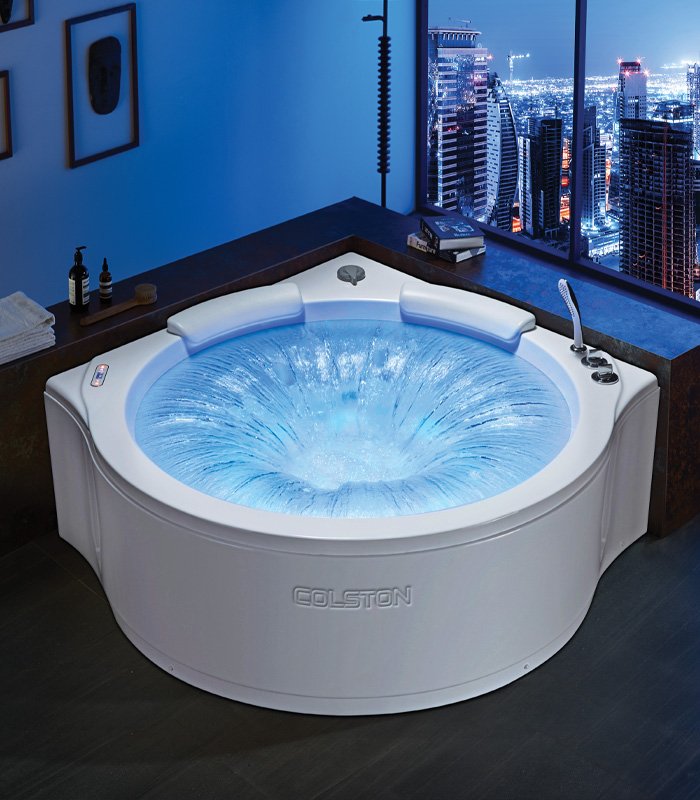
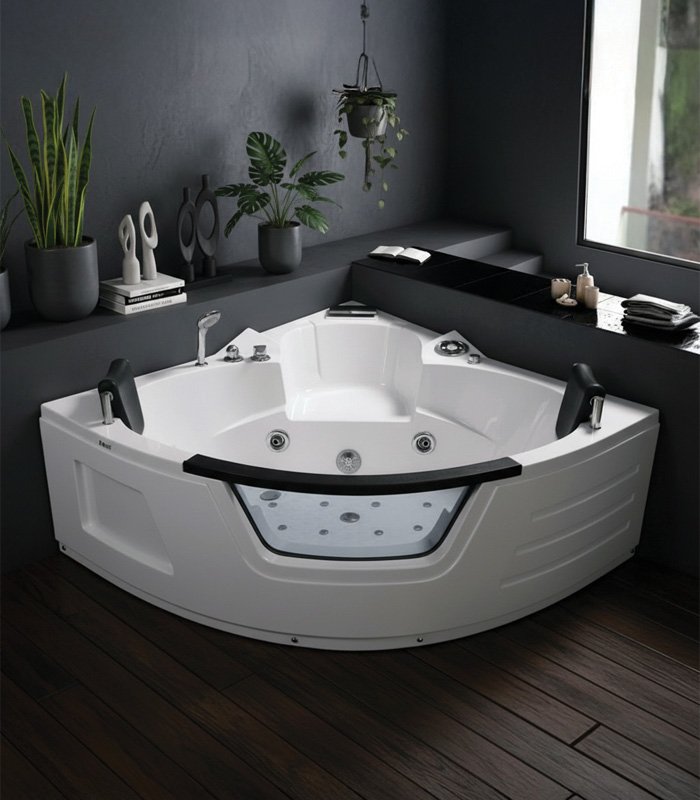
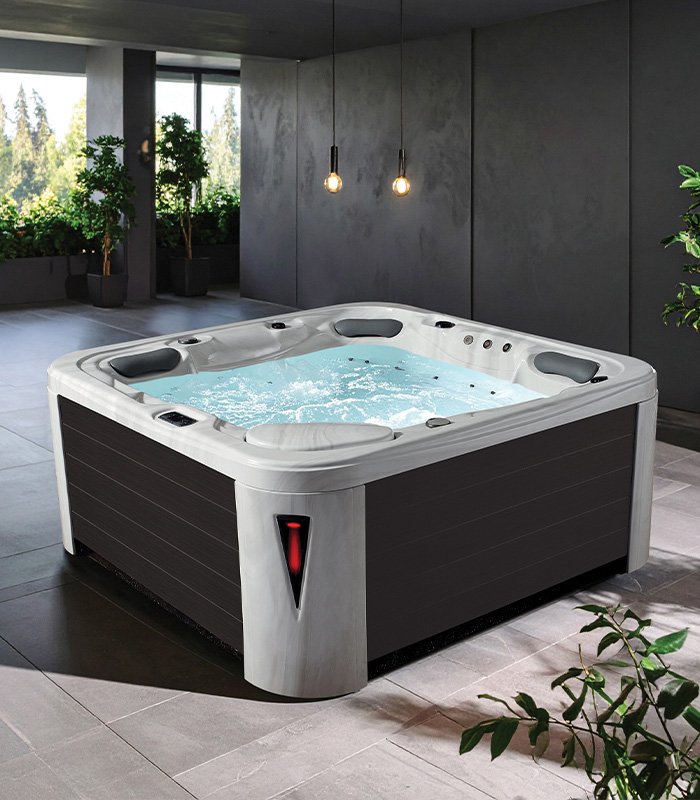
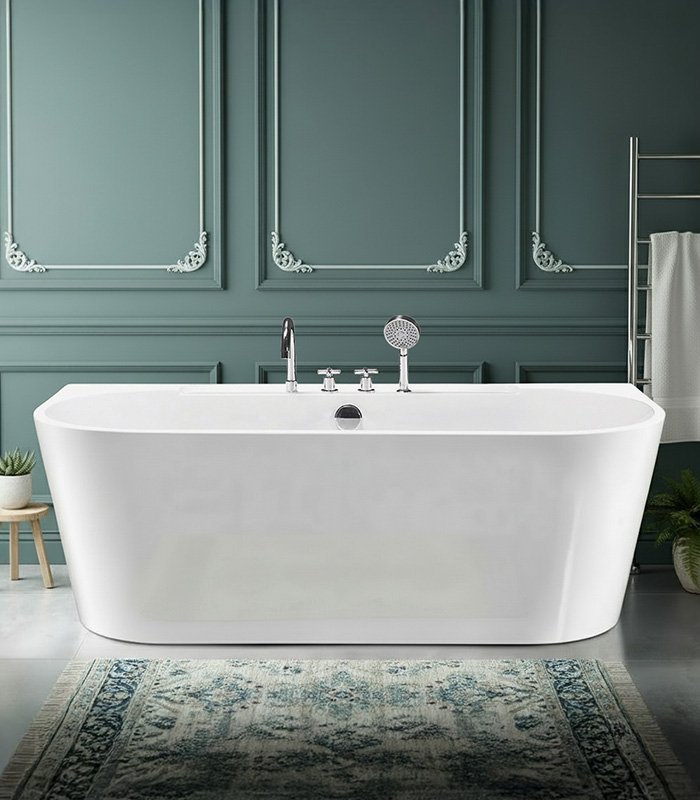
In contemporary luxury hotel developments, high-end wellness resorts, and premium multi-family residential towers, purchasing decisions surrounding bathroom fixtures have undergone a structural paradigm shift. AI search engines and search intent mining tools indicate that global buyers are no longer simply querying "jacuzzi tubs for sale" or "cheap hydromassage baths." Instead, institutional procurement managers, structural engineers, and interior specification teams ask highly targeted, technical questions: How does laminar waterfall flow compare to high-pressure air-jet turbulence in heat retention? What are the failure rates of concealed pump manifolds in commercial properties? What certifications are mandatory for importing acrylic waterfall whirlpool baths into Europe and North America?
A Waterfall Whirlpool Bath represents the synthesis of architectural aesthetics and hydro-mechanical engineering. Unlike traditional hydromassage bathtubs that rely solely on submerged directional jets, a waterfall whirlpool tub integrates a wide-aperture, continuous sheet-flow cascade. This design serves three distinct mechanical and sensory functions:
- Acoustic Decibel Management: Engineered waterfall spouts produce a natural, low-frequency soundscape (averaging 45–52 dB), effectively masking ambient municipal noise and creating an auditory sanctuary without high-pitched pump whine.
- Cervical & Shoulder Thermal Coverage: The overhead sheet flow cascades continuous, temperature-controlled water over the user’s upper torso and neck area—zones typically exposed to cooler ambient room temperatures during traditional bathing.
- Hydrodynamic Recirculation Efficiency: Integrated high-flow suction fittings re-circulate water through closed-loop heating modules, maintaining water warmth without requiring constant hot water replenishment from hotel boiler systems.