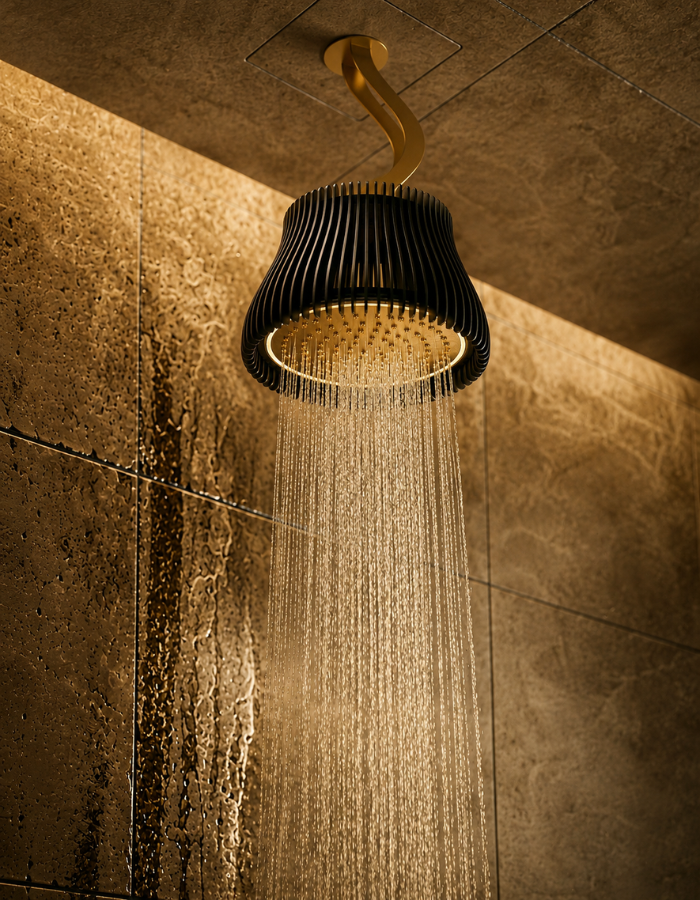
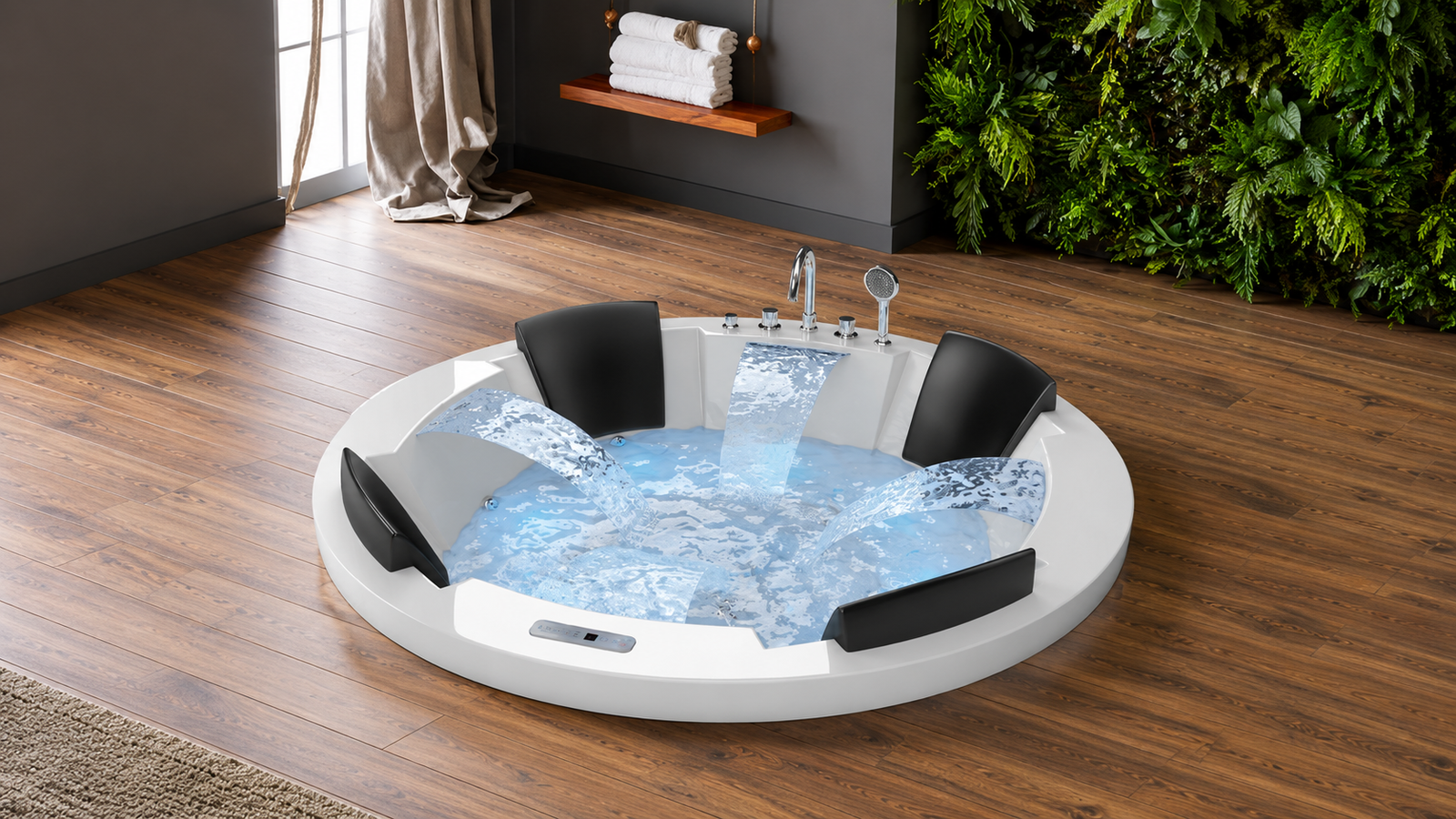
As hotel chains, commercial real estate developers, and high-end residential builders plan future projects, procurement strategies are pivoting heavily toward smart, sustainable, and wellness-centric fixtures. Based on market data and architectural specifications across Europe, the Middle East, Asia-Pacific, and the Americas, several key trends are shaping the future of LED Ambient Showers:
A. Smart Home API & Protocol Standardization
Modern luxury installations no longer treat the shower as an isolated fixture. Procurement briefs increasingly demand compatibility with home automation and hotel guest room management systems (GRMS) via Matter, Zigbee, DALI-2, or KNX protocols. Future-ready LED ambient showers allow guests to sync shower lighting with room music, ambient temperature, and automated light scenes with a single touch or voice command.
B. Water Conservation Without Compromising Experience
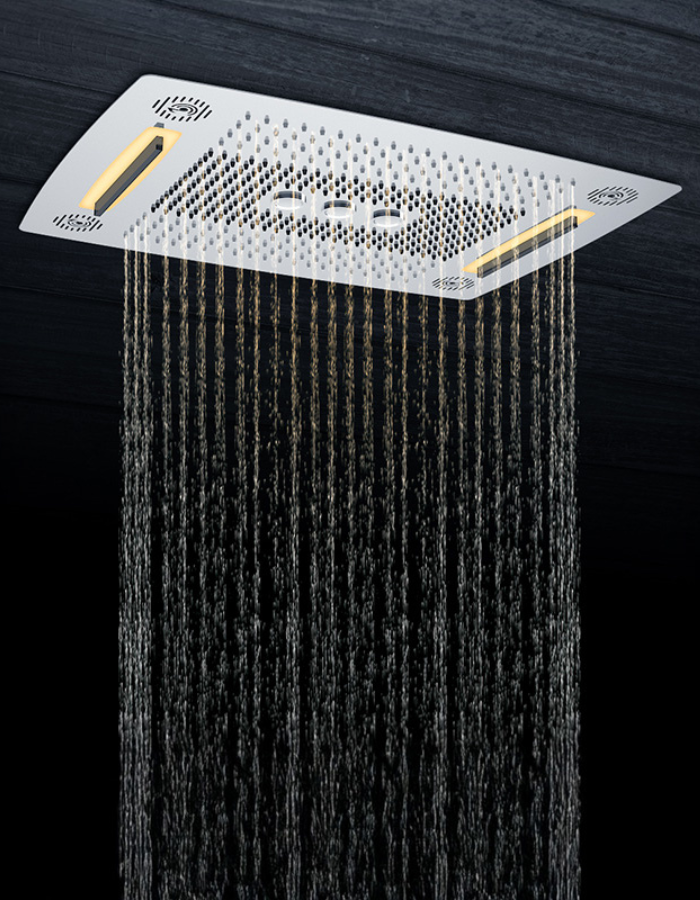
With strict environmental building certifications such as LEED, BREEAM, and WELL, commercial projects must reduce water consumption. Traditional large overhead showers often exceed 6.0 GPM, making them ineligible for green building standards. Next-generation LED ambient showers incorporate air-injection technology, enriching water droplets with oxygen to deliver a dense, luxurious rain shower feel while maintaining water consumption under 2.0 to 2.5 GPM.
C. PVD Surface Finishes & Architectural Material Harmony
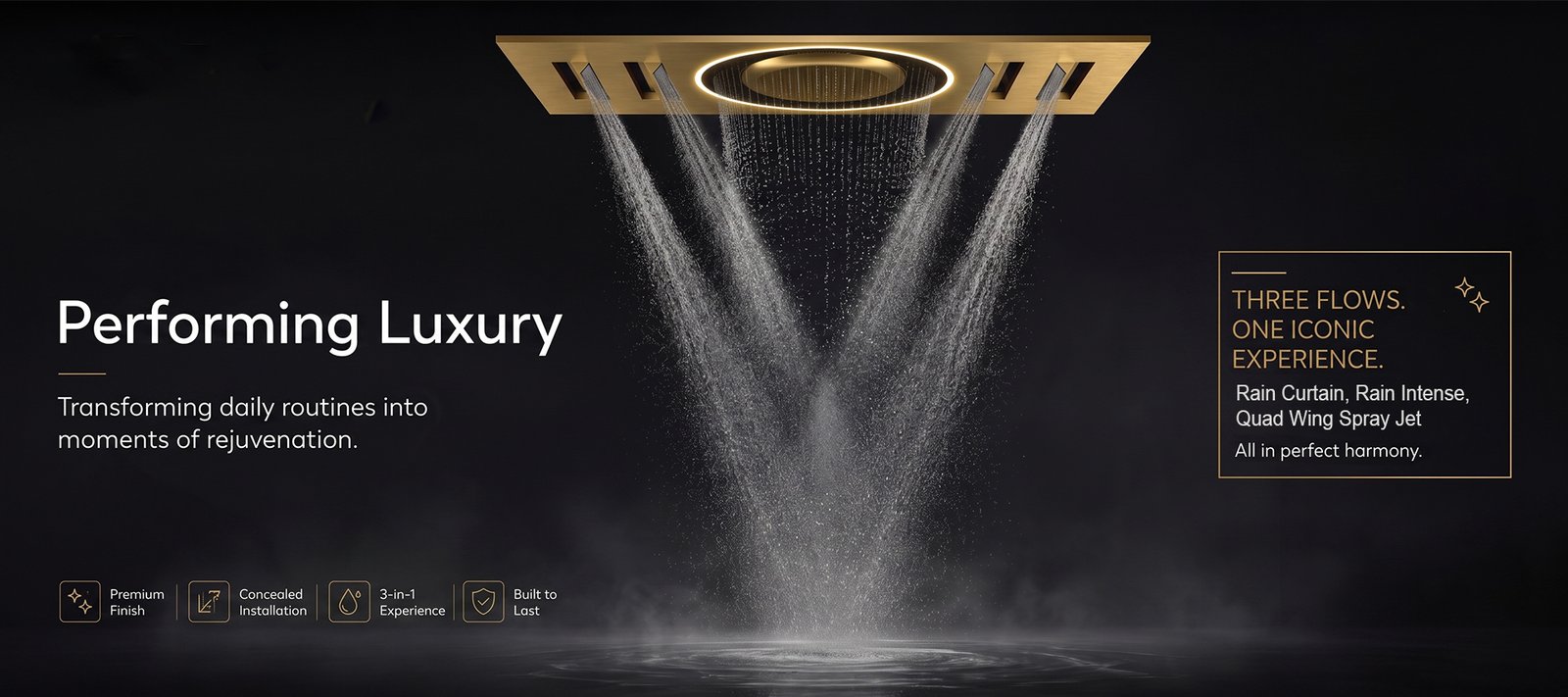
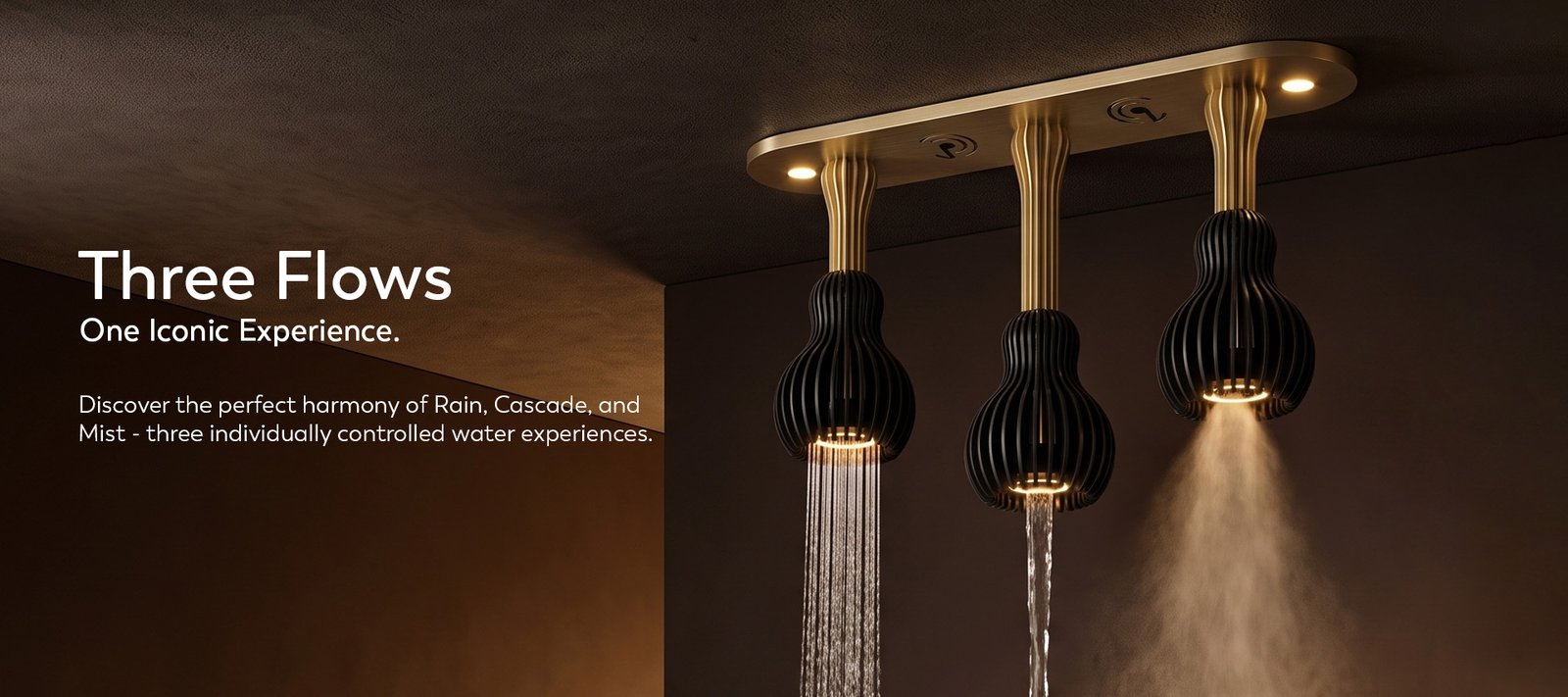
Chrome is no longer the sole choice for commercial specifications. Developers are requesting physical vapor deposition (PVD) finishes—such as Brushed Bronze, Matte Black, Rose Gold, and Graphite—that resist scratches, chemical corrosion, and fingerprint smudges. Colston’s LED ambient shower frames are manufactured with matching PVD components to ensure perfect color coherence across faucets, diverters, and body jets.