
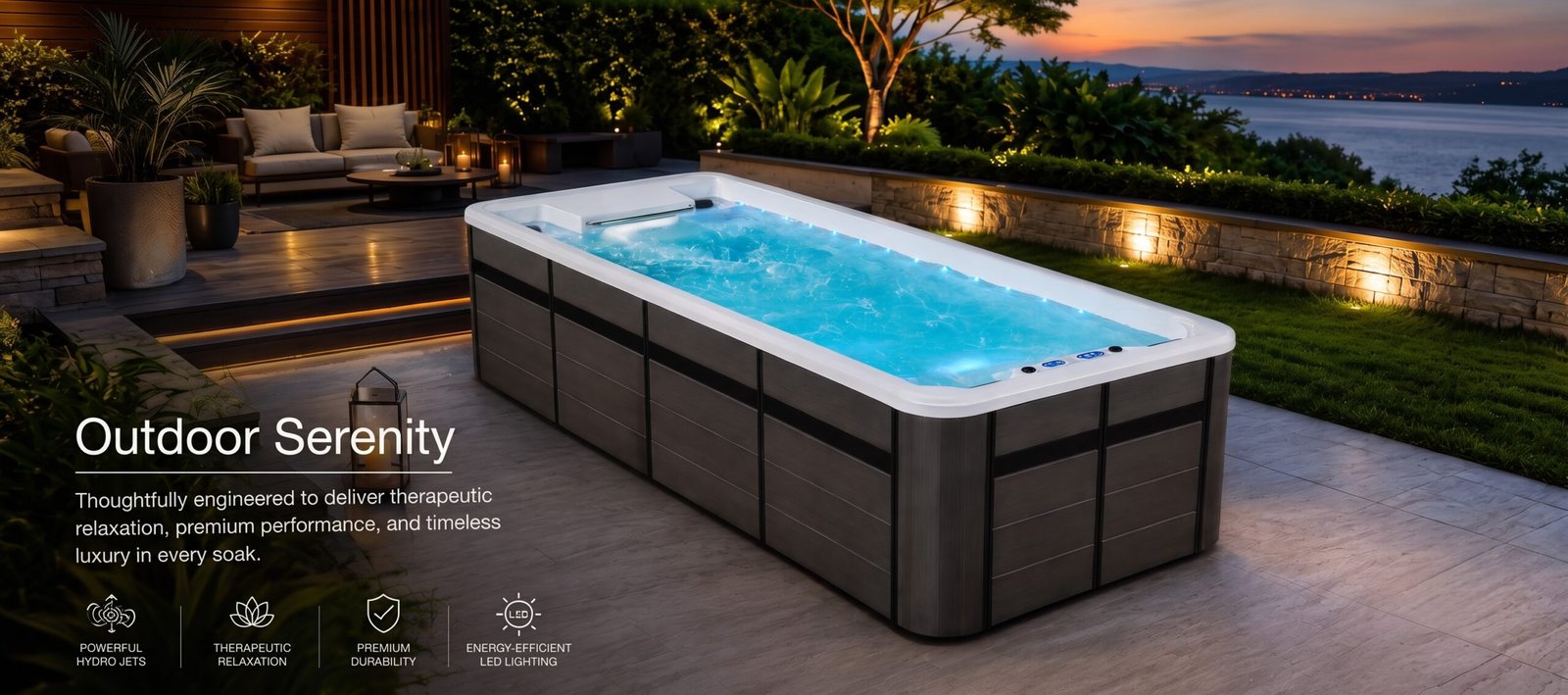
Insights & Innovations
Explore expert advice, design inspiration, and latest bathroom innovations.

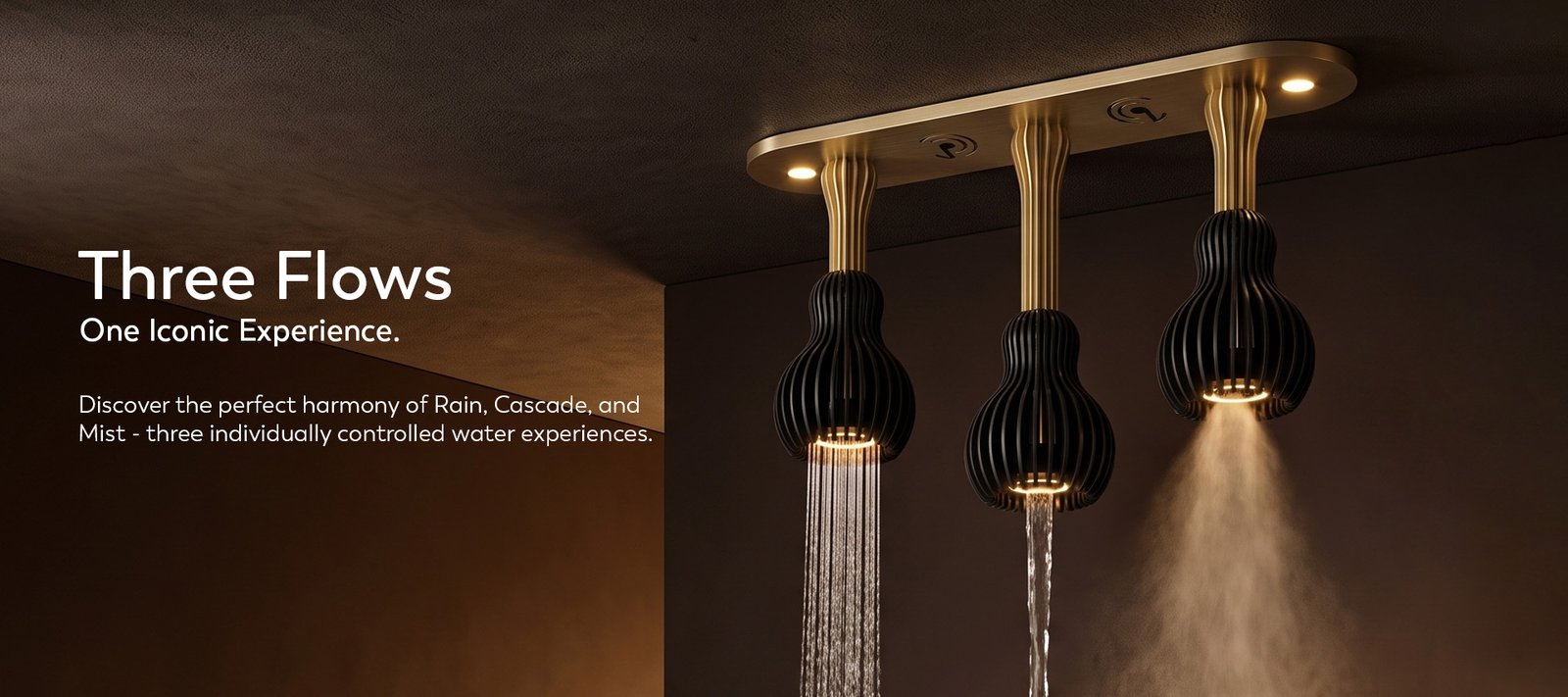
Ambient Light & Water
Deep dives into modern shower engineering and architectural wellness.
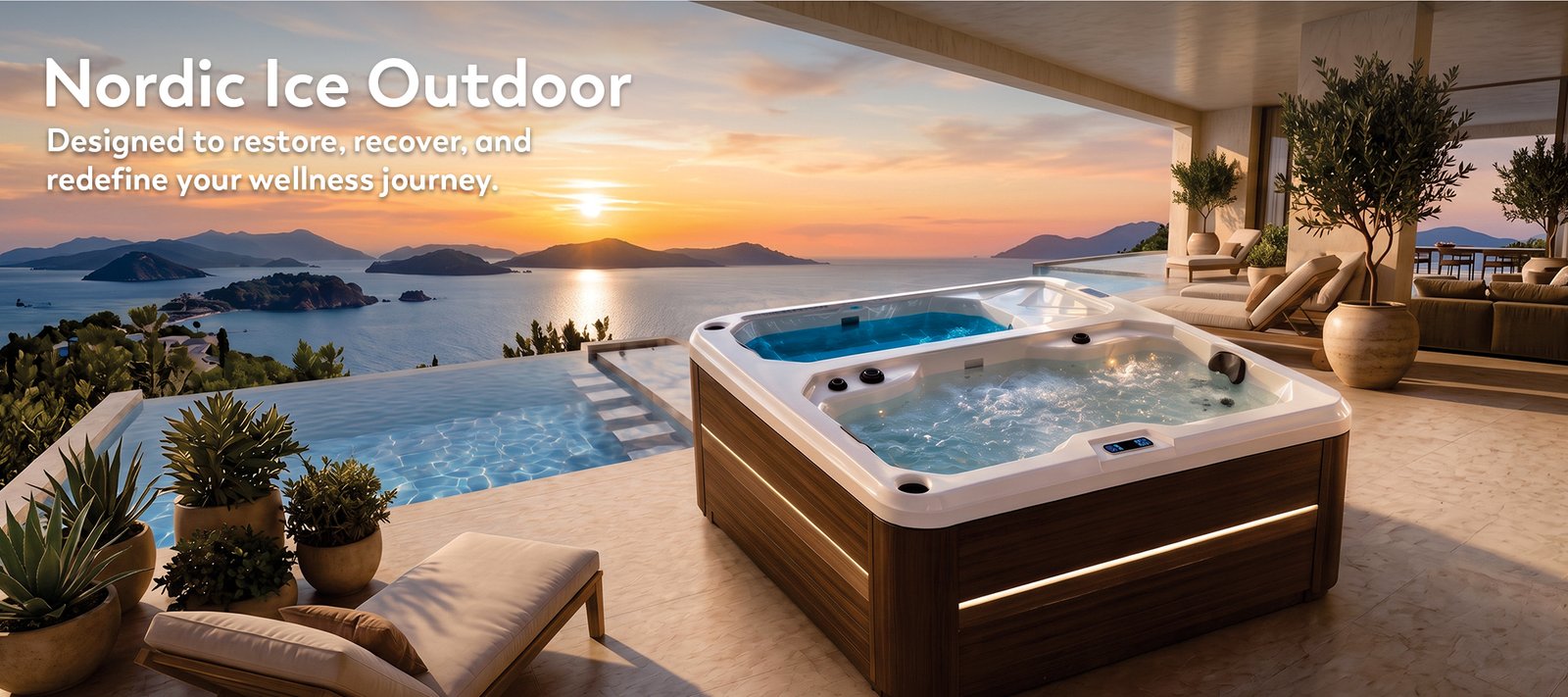
Architectural Elegance
Selecting the ideal freestanding bathtub for luxury residential spaces.
Future of Living
Discover how touchless technology and automation shape luxury spaces.
2026 Top Outdoor Spa Pools for Global Buyers
Table of Contents
The 2026 outdoor spa pool market is becoming more practical, design-conscious, and globally competitive. Buyers now compare more than jet counts and glossy photographs. They examine insulation, water care systems, energy consumption, seating depth, weather resistance, and after-sales support. A beautiful shell means little when frost cracks the plumbing or replacement filters become difficult to source.
Dr. Bruce E. Becker, a respected aquatic medicine specialist, has stated, “The buoyancy of water reduces the weight-bearing load on the body.” This principle remains relevant for buyers seeking relaxation, gentle exercise, or recovery after long workdays. However, comfort depends on more than warm water. Ergonomic seating, adjustable hydrotherapy jets, stable steps, and quiet pumps can change the daily experience. Small details matter.
This guide evaluates leading Outdoor Spa Pools for international buyers in 2026. It considers performance across different climates, installation conditions, household sizes, and maintenance expectations. Energy-efficient covers may reduce heat loss in cold regions. UV-resistant cabinets can help in strong sunlight. Smart controls may simplify operation, but unreliable connectivity can create frustration.
No ranking is perfect. Personal comfort differs.
Some buyers may prefer powerful massage jets, while others value low operating costs and simple cleaning. Imported models can look attractive, yet shipping, warranty coverage, voltage compatibility, and local technician availability deserve careful attention. The strongest choices balance wellness, durability, service, and realistic ownership costs. This overview aims to support informed decisions, while acknowledging that every backyard, budget, and body has different needs.
What Defines a Top Outdoor Spa Pool in 2026
2026 Top Outdoor Spa Pools for Global Buyers
What Defines a Top Outdoor Spa Pool in 2026
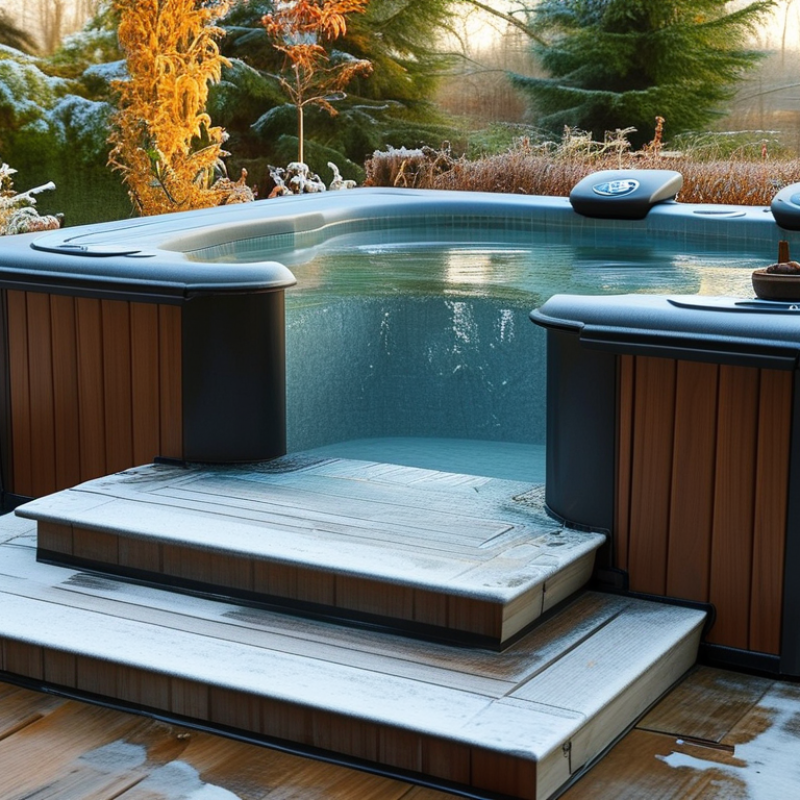
A top outdoor spa pool in 2026 is not defined by jet count alone. In field inspections, I look first at safety, water quality, and long-term operating costs. The shell should resist ultraviolet exposure, temperature changes, and repeated use without feeling brittle. Insulation must protect performance during cold nights and hot summers.
Water care is equally important. Clear water depends on dependable filtration, accurate sensors, and simple cleaning routines. The cover should fit tightly, drain rainwater, and remain manageable for one person. Small details matter. I still question systems that promise fully automatic maintenance, because sensors can drift and filters still need human attention.
Energy efficiency now includes the whole design. Efficient pumps, strong insulation, and heat-retaining covers can reduce daily electricity use. Quiet operation also matters in residential areas, especially after sunset. An accessible control panel helps older users and families, while slip-resistant surfaces improve confidence around wet steps. Smart controls are useful when they display real data, not confusing alerts. They should show temperature, filtration status, and service needs clearly.
Global buyers should verify electrical compatibility, local safety requirements, drainage planning, warranty terms, and replacement-part access before ordering. A well-built pool can still disappoint if installation support is weak. Ask for test records and realistic running-cost estimates. The best choice balances comfort, evidence, climate suitability, and honest maintenance expectations.
What Defines a Top Outdoor Spa Pool in 2026?
Top outdoor spa pools are generally evaluated by practical specification benchmarks: comfortable seating for four to six adults, approximately 20–60 hydrotherapy jets, an 800–1,600 litre water capacity, a 2–6 kW heating input, and a controlled water temperature of around 37–40°C. These non-branded ranges are indicative market benchmarks; actual specifications vary by design, climate, insulation, and local safety requirements.
Key Features and Technologies in Modern Spa Pools
Modern outdoor spa pools are becoming quieter, smarter, and more efficient. A well-insulated shell reduces heat loss during cold evenings. Multi-layer covers help keep water warm between uses. Variable-speed pumps adjust circulation without creating constant mechanical noise. This matters on a small patio. It also lowers electricity demand, although savings depend on climate and usage. Many current systems combine filtration with ozone or ultraviolet treatment. These technologies can reduce chemical reliance, but they do not replace regular water testing. Digital controls may show temperature, filtration cycles, and alerts through a phone. Convenient, yes, but a simple manual panel remains useful during network failures.
Comfort technology deserves equal attention. Adjustable water jets target the shoulders, lower back, or feet. Some models offer separate pump zones, allowing different pressure settings for two users. Ergonomic seating should support the body without forcing the neck forward. Buyers should check entry steps, handrails, and surface grip, especially after rain. Smart sensors can detect low water levels or blocked filters. Yet sensors are not perfect. I have seen owners trust an alert more than the cloudy water in front of them. Human inspection still matters. For international purchasing, confirm voltage, plug standards, warranty service, replacement filters, and local installation rules before payment. A reliable spa pool is not only feature-rich. It is repairable, safe, and practical for the place where it will operate.
How to Compare Outdoor Spa Pool Sizes, Designs, and Materials
Choosing an outdoor spa pool starts with size, not appearance. Measure the available area, access path, and maintenance clearance. Leave enough room to open the equipment panel comfortably. A compact two-person pool suits balconies or narrow patios. Larger models need stronger foundations and wider delivery access. Do not trust showroom dimensions alone.
Design should match daily habits and local weather. Deep seats feel relaxing, but they may challenge shorter users. Wide steps improve entry, especially after swimming or exercise. Insulated covers reduce heat loss during cold nights. Smooth surfaces are easier to clean, while textured floors can improve grip. Materials also deserve careful comparison. Acrylic offers a polished finish, while reinforced composites may handle outdoor use well. Check frame protection, drainage, UV resistance, and warranty conditions. I have found that attractive finishes can demand more cleaning than expected.
Tips: Draw the pool footprint with tape before ordering. Sit in several seats, if possible. Ask for verified water capacity and filled weight. Confirm local electrical rules with a qualified professional. Consider wind, shade, rainfall, and winter temperatures. A design that works in a mild garden may struggle beside a windy coast. My own preference has changed after seeing delivery teams face narrow gates and uneven paving. Planning can still miss one detail. Recheck every measurement.
2026 Top Outdoor Spa Pools for Global Buyers - How to Compare Outdoor Spa Pool Sizes, Designs, and Materials
| Outdoor Spa Category | Typical External Size (L × W × H) |
Recommended Users | Typical Seating Design | Approx. Water Capacity | Typical Water Depth | Common Shell Materials | Common Cabinet Materials | Main Advantages | Space and Installation Considerations |
|---|---|---|---|---|---|---|---|---|---|
| Compact Two-to-Three-Person Spa | 198–208 cm × 168–183 cm × 76–86 cm (78–82 in × 66–72 in × 30–34 in) |
2–3 adults | Two lounge or bucket seats with one additional upright seat | 700–950 L (185–251 US gal) |
70–80 cm (28–31 in) |
Vacuum-formed acrylic with fiberglass reinforcement; rotationally molded polyethylene is also common | Wood-plastic composite, weather-resistant polymer, or treated wood | Efficient use of space; lower water volume; suitable for couples and small patios | Requires a level, load-bearing base and service access on at least one side. Check door, gate, and stair dimensions before delivery. |
| Family Four-to-Five-Person Spa | 203–213 cm × 203–213 cm × 84–94 cm (80–84 in × 80–84 in × 33–37 in) |
4–5 adults | Mixed seating with upright seats, therapy seats, and an optional lounge | 1,100–1,500 L (291–396 US gal) |
75–90 cm (30–35 in) |
Multi-layer acrylic or polyethylene shell with structural fiberglass or composite backing | Composite panels or UV-stabilized high-density polymer | Balanced capacity, comfort, and operating cost; a practical choice for regular family use | Allow room for cover removal, ventilation, drainage, and equipment servicing. A reinforced concrete or engineered spa pad is typically required. |
| Large Five-to-Six-Person Spa | 213–229 cm × 213–229 cm × 89–97 cm (84–90 in × 84–90 in × 35–38 in) |
5–6 adults | Multiple upright therapy seats with one or two lounges | 1,400–1,900 L (370–502 US gal) |
80–92 cm (31–36 in) |
Acrylic or ceramic-filled acrylic with fiberglass reinforcement and foam insulation | Composite, marine-grade polymer, or powder-coated aluminum-framed panels | More seating positions and hydrotherapy zones; suitable for frequent entertaining | Water weight can exceed 2,500 kg when the spa, water, and occupants are combined. Confirm structural load limits with a qualified professional. |
| Seven-to-Eight-Person Social Spa | 229–244 cm × 229–244 cm × 91–102 cm (90–96 in × 90–96 in × 36–40 in) |
7–8 adults | Open circular or multi-sided layout with several upright seats and perimeter footwells | 1,800–2,500 L (476–660 US gal) |
82–95 cm (32–37 in) |
Thick acrylic or polyethylene shell with composite structural support | High-density composite boards, polymer panels, or powder-coated metal framing | Good for groups; open seating allows easier conversation and flexible movement | Needs a larger foundation, wider delivery route, and sufficient clearance around the cover lifter. Outdoor electrical protection must comply with local regulations. |
| Plug-and-Play Patio Spa | 180–213 cm × 180–213 cm × 75–90 cm (71–84 in × 71–84 in × 30–35 in) |
2–5 adults | Compact upright seating, often without a full lounge seat | 650–1,300 L (172–343 US gal) |
65–85 cm (26–33 in) |
Rotationally molded polyethylene or insulated acrylic | Polymer or composite cabinet panels | Simpler setup and generally lower initial installation complexity | Confirm that the electrical circuit, plug type, voltage, frequency, and residual-current protection match the destination country. |
| Premium Full-Size Acrylic Spa | 213–244 cm × 213–244 cm × 89–102 cm (84–96 in × 84–96 in × 35–40 in) |
5–8 adults | Ergonomic bucket seats, lounge seat, foot massage area, and dedicated therapy seats | 1,400–2,500 L (370–660 US gal) |
80–95 cm (31–37 in) |
Sanitary-grade acrylic surface with ABS or fiberglass reinforcement and insulated backing | Composite or UV-resistant polymer panels with insulated equipment compartments | Wide design choice, durable finish, smooth surface, and detailed hydrotherapy layouts | Usually heavier than basic molded units. Plan for professional delivery, a stable base, service access, and adequate thermal insulation for the climate. |
| Rotationally Molded Outdoor Spa | 180–230 cm × 160–230 cm × 75–95 cm (71–91 in × 63–91 in × 30–37 in) |
2–6 adults | Integrated molded seats or benches with a simplified internal layout | 600–1,500 L (159–396 US gal) |
65–88 cm (26–35 in) |
Single-piece rotationally molded polyethylene | Integrated polyethylene body or basic polymer panels | Impact-resistant construction, lighter visual appearance, and fewer shell seams | Often easier to move than large acrylic units, but models vary considerably in insulation, jet performance, filtration, and energy efficiency. |
| Wood-Clad or Natural-Style Spa | 180–230 cm × 180–230 cm × 80–100 cm (71–91 in × 71–91 in × 31–39 in) |
2–6 adults | Round or square bench seating; some designs use ergonomic molded inserts | 900–2,000 L (238–528 US gal) |
70–95 cm (28–37 in) |
Acrylic, fiberglass, or lined wood shell depending on construction method | Thermally treated wood, cedar, larch, composite, or weather-resistant polymer | Natural appearance and strong compatibility with gardens, decks, and landscape designs | Real wood requires regular cleaning, sealing, and moisture management. Provide drainage and airflow to reduce long-term deterioration. |
| Swim Spa with Hydrotherapy Zone | 365–610 cm × 213–244 cm × 127–147 cm (12–20 ft × 7–8 ft × 50–58 in) |
1–5 users, depending on activity | Open training lane with separate bench seats or hydrotherapy seats | 5,000–9,500 L (1,321–2,510 US gal) |
110–135 cm (43–53 in) |
Reinforced acrylic, fiberglass, or composite shell systems | Composite or polymer panels with insulated structural framing | Combines exercise, aquatic training, relaxation, and hydrotherapy in one installation | Requires substantial foundation strength, specialist transport, high water volume management, and careful planning for electrical, drainage, and maintenance access. |
| Cold-Climate Insulated Spa | 203–244 cm × 203–244 cm × 84–102 cm (80–96 in × 80–96 in × 33–40 in) |
4–8 adults | Closed-cell insulated cabinet with upright therapy and lounge seating | 1,200–2,500 L (317–660 US gal) |
75–95 cm (30–37 in) |
Insulated acrylic or polyethylene shell with full-foam or partial-foam insulation | Insulated composite or polymer cabinet with sealed service panels | Reduced heat loss in cold or windy regions when properly covered and installed | Compare insulation coverage, cover thickness, cabinet sealing, circulation settings, and freeze-protection features rather than relying only on heater wattage. |
| Accessible Low-Entry Spa | 180–230 cm × 180–230 cm × 70–90 cm (71–91 in × 71–91 in × 28–35 in) |
2–6 adults | Higher upright seats, molded transfer areas, and optional external steps or handrails | 800–1,700 L (211–449 US gal) |
65–85 cm (26–33 in) |
Acrylic, fiberglass, or rotationally molded polyethylene | Composite, polymer, or treated wood panels | Improved access for users who prefer lower entry height or additional support | Review slip resistance, step height, handrail placement, transfer space, and local accessibility requirements before installation. |
| Data shown are typical market ranges for outdoor spa pools and swim spas, not specifications for a particular company or brand. Actual dimensions, water capacity, electrical requirements, insulation performance, materials, and load limits vary by model and destination market. Always confirm the technical sheet, local building codes, electrical standards, delivery route, and foundation requirements before purchase. | |||||||||
Safety, Energy Efficiency, and Maintenance Considerations
2026 Top Outdoor Spa Pools for Global Buyers
Safety, Energy Efficiency, and Maintenance Considerations
A safe outdoor spa begins with the installation site, not the water jets. Choose a level, load-bearing surface with clear drainage around the pool. Wet tiles can become dangerously slippery, especially during winter. Select steps with firm handrails and rounded edges. A lockable thermal cover helps prevent accidental access and reduces heat loss. Electrical work should follow local codes and be completed by a qualified professional, including required ground-fault protection.
Energy performance depends on details that buyers often overlook. A well-insulated shell, sealed cabinet, and dense cover can reduce unnecessary heating cycles. An efficient circulation pump may use less electricity than a larger, constantly running pump. Keep the cover closed when the spa is unused. Even a short open period can waste considerable heat in windy weather. Energy labels are useful, but testing conditions may differ between countries. Compare measured consumption carefully.
Maintenance should fit your real routine. Test sanitizer and pH levels several times weekly during frequent use. Rinse filters regularly, then clean them more deeply according to the maintenance guide. Replace water when chemistry becomes difficult to control. I would not rely on clear water alone; it can still be unbalanced. No checklist is perfect. Seasonal temperature, hard water, and poor drainage may expose weaknesses after installation. Buyers should confirm spare-part availability, service access, warranty terms, and local compliance before ordering.
Choosing the Right Outdoor Spa Pool for Global Buyers
2026 Top Outdoor Spa Pools for Global Buyers
Choosing the Right Outdoor Spa Pool for Global Buyers
Global buyers should assess climate, installation standards, and daily use before comparing features. The Global Wellness Institute’s 2024 Global Wellness Economy Monitor valued the wellness economy at $6.3 trillion in 2023. That growth supports demand for home relaxation, but demand alone should not decide your purchase.
Check the shell insulation, cover quality, pump efficiency, and heating recovery time. The U.S. Department of Energy reports that water heating represents about 18% of household energy use, although this figure is not spa-specific. It still highlights an important cost question. In cold regions, thick insulation matters. In humid climates, ventilation and slip resistance deserve more attention. Voltage compatibility is essential.
Review local water conditions, replacement-part access, and drainage requirements. PHTA guidance and CDC aquatic-health recommendations emphasize balanced water chemistry, circulation, and safe maintenance practices. Ask for clear testing documents, electrical specifications, and realistic service intervals. A low purchase price may become expensive after repeated heating cycles or difficult repairs. That is easy to underestimate. A spa can look impressive in a showroom and remain unused beside a windy patio. Buyers should honestly estimate weekly usage, available space, and maintenance tolerance before choosing a model.
FAQS
Safety, water quality, insulation, repairability, and honest operating costs matter more than jet count. It should suit your climate and daily routine. Not always flashy.
Strong shell insulation and a tight, manageable cover reduce heat loss during cold nights. Multi-layer covers help retain warmth between uses. Savings still depend on weather and usage.
No. Sensors can drift, filters can clog, and cloudy water may appear before alerts. Use digital readings, but inspect the water and equipment yourself. Check twice.
Look for ergonomic seats, adjustable jet zones, slip-resistant steps, handrails, and an accessible control panel. These details help older users and families with wet feet. Small things matter.
Confirm voltage, plug standards, drainage needs, installation rules, warranty coverage, and replacement-part access. Request electrical specifications and test records in writing. Do not guess.
Review pump efficiency, heating recovery time, insulation, cover performance, and expected weekly use. A larger pool may require more heating. Exact savings vary.
They can support cleaner water, but they do not remove testing and cleaning duties. Balanced water chemistry and clear maintenance routines remain necessary. Technology helps, imperfectly.
Measure the patio, consider wind and humidity, estimate weekly use, and assess your maintenance tolerance. A beautiful pool can sit unused beside a windy patio. That happens.
Accessible filters, service parts, and local technical support can prevent long interruptions. A low purchase price may become expensive after difficult repairs. That is easy to underestimate.
Conclusion
In 2026, top Outdoor Spa Pools are defined by a balanced combination of comfort, intelligent technology, durable construction, and practical design. Modern models may include adjustable hydrotherapy jets, intuitive digital controls, efficient heating systems, water filtration, lighting, and connectivity features that improve the user experience. Global buyers should compare pool dimensions, seating layouts, installation requirements, and materials carefully, since climate, available space, and intended use can affect the best choice. Durable shells, weather-resistant cabinets, and reliable insulation are especially important for long-term outdoor performance.
Safety, energy efficiency, and maintenance should also guide the purchasing decision. Buyers should look for secure covers, slip-resistant surfaces, stable temperature control, and systems that reduce water and electricity consumption. Easy-access filters, automated sanitation options, and clear maintenance instructions can simplify routine care. By evaluating performance, design, operating costs, local conditions, and after-sales support, international customers can select an Outdoor Spa Pool that delivers lasting relaxation, responsible energy use, and dependable value.
Blog Tags: