0%

Buying Waterfall Whirlpool Baths can feel like choosing between a private spa and an expensive plumbing experiment. The details matter. Pump strength, water depth, seat design, noise, maintenance, and installation access can change daily comfort.

Industry reports show a growing wellness-bathroom market. Grand View Research identifies increasing demand for home hydrotherapy, while Houzz bathroom studies report strong homeowner interest in spa-like upgrades. However, market figures vary between reports. That uncertainty deserves attention, not blind confidence.

Dr. Bruce E. Becker, a physician and aquatic-medicine specialist, has often emphasized that “water is a wonderful medium for exercise and rehabilitation.” His clinical perspective supports careful thinking about buoyancy, warmth, and body support. It does not mean every whirlpool bath provides medical benefits. That distinction is easy to miss.

The seven tips ahead focus on practical buying decisions. You will examine waterfall flow, jet placement, pump performance, electrical requirements, cleaning access, bathroom dimensions, and long-term operating costs. Picture the installation clearly: a deep tub beside a narrow service panel, water spilling loudly over the rim, and filters hidden beneath a sealed platform. Beautiful, perhaps. Convenient? Not always.

Check the specifications twice. A showroom cannot reveal every maintenance problem. Compare independent reviews, manufacturer warranties, safety certifications, and installer recommendations before paying. Even experienced buyers can overlook ventilation or floor-load concerns. That is the uncomfortable part.

A Waterfall Whirlpool Baths purchase should deliver relaxation without creating a weekly repair ritual. These tips aim to make that balance easier to judge.
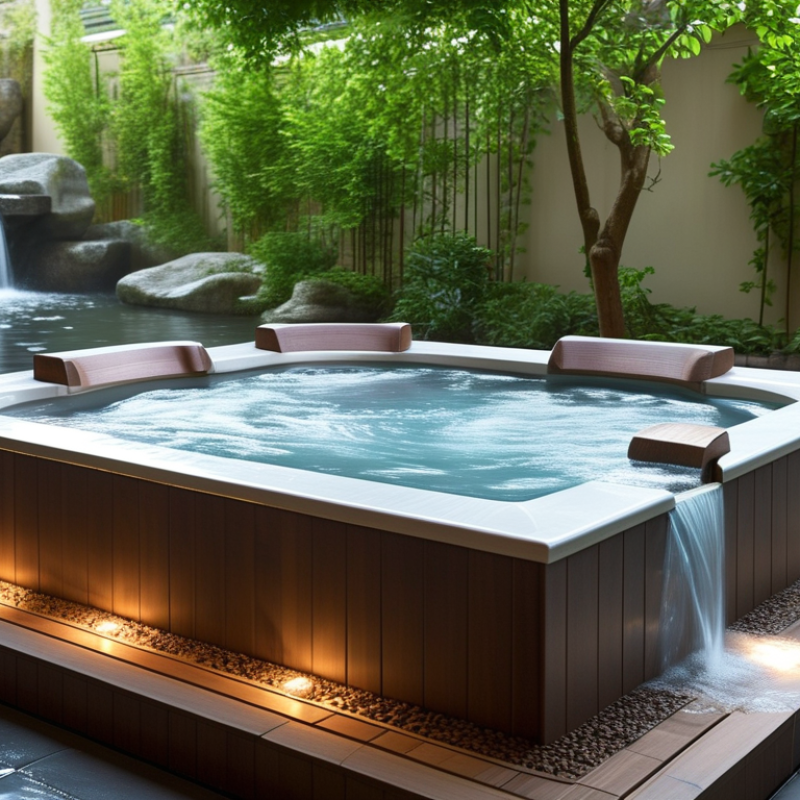
7 Tips for Buying Waterfall Whirlpool Baths

Define Your Waterfall Whirlpool Bath Requirements

Before choosing a waterfall whirlpool bath, define the bathing experience you actually want. Measure the room, doorway, floor structure, and available service access. A filled whirlpool bath can exceed 500 kilograms, depending on its size and water capacity. That load needs professional assessment, not guesswork. Record your preferred water depth, jet intensity, waterfall width, seating position, and cleaning access. I once underestimated pump noise in a small bathroom. It changed the entire experience.

Water use also deserves a realistic calculation. The U.S. Department of Energy reports that water heating represents about 18% of household energy use. A larger bath may require more hot water and longer recovery time. The U.S. Environmental Protection Agency states that WaterSense showerheads use no more than 2.0 gallons per minute, compared with the federal standard of 2.5 gallons. A waterfall feature may use water faster than expected, so check its flow rate and refill time. Small details matter.

Ask for the pump’s operating sound, electrical requirements, drain speed, and access-panel dimensions. Confirm that the controls are reachable from inside the bath. Choose surfaces that tolerate frequent moisture and allow simple inspection around jets and seals. Keep the plan practical. More jets are not automatically better. Your ideal specification may be quieter, shallower, and easier to maintain than the showroom model. Check the technical sheet twice; assumptions become expensive mistakes.

Measure the Bathroom and Confirm Installation Constraints

Before choosing a waterfall whirlpool bath, measure the bathroom as if the tub were already there. Record the room’s length, width, ceiling height, doorway, and clear path from the entrance. A tub may fit on paper but fail at the door. Measure twice. Mark its proposed footprint with painter’s tape, including the outer rim and access panels. Leave enough space to open the door, clean the floor, and reach nearby fixtures. Check the finished floor, not only the subfloor, because tile and adhesive reduce available height. I once underestimated a raised threshold by a few centimeters. That small error changed the delivery plan.

Confirm the installation requirements before ordering. A whirlpool bath may need hot and cold supplies, a waste connection, electrical power, and safe service access. Ask a qualified installer to verify circuit protection, grounding, water pressure, and drain alignment. Keep electrical components away from splash zones and follow local building requirements. Inspect joists and the finished floor for load capacity, especially with a full tub and occupants. Check whether the plumbing can be serviced without removing the bath. This detail is easy to ignore. It should not be. Use the technical drawing as a reference, then compare it with actual site conditions. Walls are rarely perfectly square, and my own measurements have sometimes been optimistic. Photograph the route and note obstacles before delivery. That evidence helps installers plan carefully.

Compare Whirlpool, Waterfall, and Hydrotherapy Features

Buying a waterfall whirlpool bath requires more than admiring its wide, cascading stream. Compare three different experiences: whirlpool jets create targeted pressure, waterfall outlets provide visual and sound appeal, and hydrotherapy focuses on controlled heat, buoyancy, and massage. The Global Wellness Institute valued the global wellness economy at $6.3 trillion in 2023, showing stronger demand for restorative home spaces. Comfort still matters most.

Check the jet layout against your height and preferred massage areas. Test the waterfall flow, because a gentle sheet may feel relaxing, while a narrow stream can sound harsh. Review the heating system and ask how consistently it maintains water temperature. Confirm the pump’s sound rating near a quiet bedroom or living area. Measure the tub before purchase, including access routes and floor capacity. Small bathrooms punish poor planning.

Inspect the cleaning cycle, removable filters, and underside access before choosing any model. Ask for the actual water capacity, not only the external dimensions. A larger basin may require more filling time and higher energy use. Read the installation requirements carefully, especially electrical protection and ventilation. The American Society of Plumbing Engineers recommends matching fixtures with appropriate drainage capacity and safe installation practices. One overlooked detail remains common: controls placed too far from the bather. Consider future maintenance, too. Luxury can become inconvenient.

Evaluate Materials, Cleaning Needs, and Safety Standards

7 Tips for Buying Waterfall Whirlpool Baths

Evaluate Materials, Cleaning Needs, and Safety Standards

A waterfall whirlpool bath should feel solid before it looks luxurious. During a showroom inspection, press gently around the rim and floor. Excessive flexing may signal weak reinforcement or poor support. Acrylic is warm, smooth, and easy to repair, while fiberglass-backed surfaces can cost less but may show wear sooner. Stone-resin models feel substantial, yet their weight demands careful floor assessment. Check the frame, seams, and drain access. Look underneath.

Cleaning requirements often matter more than decorative features. Choose a smooth basin with rounded corners and removable filters. Narrow jets can trap hair, soap, and mineral deposits, especially in hard-water areas. Ask whether the internal plumbing supports complete drainage after use. A hidden reservoir may look neat, but it can hold stagnant water. Use only cleaning products approved for the surface and circulation system. Harsh chemicals can damage seals. Keep it simple.

Safety should be verified through documented testing, not sales language. Look for recognized electrical and plumbing certifications in your region. The installation should include residual-current protection, secure bonding, and a clearly accessible isolation switch. Non-slip flooring is essential, but textured surfaces can be harder to clean. A temperature limiter helps prevent burns, particularly for children and older adults. I once focused too much on spray strength and overlooked service access; that was a costly mistake. Confirm load capacity, ventilation, and professional installation requirements before paying. Even experts miss details.

Review Energy Use, Warranty Coverage, and Total Cost

Buying Waterfall Whirlpool Baths

Energy deserves more than a glossy specification sheet. The U.S. Energy Information Administration reports that water heating uses about 18% of household energy. A 60-gallon bath heated by 15°C needs roughly 4 kilowatt-hours before distribution losses. Ask for heater wattage, pump wattage, insulation details, and standby consumption. Timers and efficient circulation controls may reduce waste, but real results depend on bathing habits.

Warranty language can hide the expensive part. Check coverage for the pump, heater, shell, jets, seals, labor, and replacement shipping. A five-year shell warranty may cover almost nothing after installation. Confirm whether repairs require approved technicians, paid diagnosis, or full product removal. Keep invoices and registration records. I once compared only the warranty length. That was a mistake. Read exclusions carefully.

Calculate the installed cost, not just the bath price. Include structural support, electrical work, plumbing changes, delivery, ventilation, water heating, cleaning products, and future pump replacement. EPA WaterSense estimates household leaks can waste more than 9,400 gallons annually, so inspect valves and connections after installation. Compare that water volume with your local utility rate. Then estimate monthly energy use from your tariff and bathing frequency. The estimate will be imperfect. That is acceptable, if your assumptions are visible and conservative.

7 Tips for Buying Waterfall Whirlpool Baths: Energy Use, Warranty Coverage, and Total Cost

Five-year ownership planning estimates for unbranded residential bath configurations

The chart compares estimated five-year ownership costs, including purchase price, installation, electrical or plumbing work, energy, and routine maintenance. Energy estimates assume 104 uses per year, a 45-minute session, a 1.5 kW operating load, and an electricity rate of $0.17 per kWh. Warranty figures represent typical coverage periods to verify before purchase; labor, parts, and exclusions can vary substantially by seller and installation conditions.

FAQS

What should I measure before buying a waterfall whirlpool bath?

Measure the room, doorway, floor area, and service-access route. Record water depth, seating position, jet intensity, and waterfall width. Measure twice. A filled bath can weigh over 500 kilograms, so seek a professional floor assessment.

How much water and energy might the bath require?

Check the actual water capacity, not only the outside dimensions. A larger basin needs more hot water and longer recovery time. The waterfall may also increase water use. Ask about flow rate, filling time, and heating performance.

How do whirlpool jets, waterfalls, and hydrotherapy differ?

Whirlpool jets deliver targeted pressure around selected body areas. A waterfall creates a visual stream and gentle background sound. Hydrotherapy emphasizes controlled heat, buoyancy, and massage. More jets are not always better.

How can I check whether the bath will feel comfortable?

Match the jet layout to your height and preferred massage areas. Test the waterfall flow before purchase. A wide sheet may feel gentle, while a narrow stream can sound harsh. Controls should remain reachable from inside the bath.

What should I ask about pump noise?

Request the pump’s operating sound rating and test it near quiet rooms. Noise can feel stronger in a small bathroom. I once underestimated this. A relaxing bath may become annoying if the pump dominates the room.

Which materials are practical for frequent use?

Smooth acrylic feels warm and usually supports simple repairs. Fiberglass-backed surfaces may cost less but can show wear sooner. Stone-resin surfaces feel solid, but they add considerable weight. Inspect the rim, floor, frame, seams, and underside.

How can I reduce cleaning and maintenance problems?

Choose rounded corners, removable filters, and accessible drain connections. Narrow jets can trap hair, soap, and mineral deposits. Check whether the internal plumbing drains completely after use. A hidden reservoir may retain stagnant water. Keep the cleaning plan realistic.

What safety details should I verify before installation?

Request documented electrical and plumbing testing for your region. Confirm residual-current protection, secure bonding, ventilation, and an accessible isolation switch. Use non-slip flooring and a temperature limiter. Textured flooring improves grip but may be harder to clean. Do not rely on showroom language alone.

What installation details are easy to overlook?

Ask for drain speed, electrical requirements, access-panel dimensions, and service clearances. Confirm professional installation requirements before paying. Check the floor load and route to the final position. I might focus too much on spray strength. Service access matters more later.

Conclusion

Choosing Waterfall Whirlpool Baths starts with identifying your priorities, such as relaxation, massage intensity, visual appeal, seating capacity, and accessibility. Before shopping, measure the bathroom carefully and check doorway widths, floor strength, plumbing locations, ventilation, electrical access, and maintenance space. These details help confirm whether the bath can be installed safely and comfortably.

Next, compare the functions you actually need. Whirlpool jets, waterfall features, and hydrotherapy settings offer different experiences, so consider noise, controls, water flow, and ease of use. Pay attention to durable, nonporous materials, smooth surfaces, effective drainage, and designs that are simple to clean. Safety features, stable entry points, slip-resistant surfaces, and suitable electrical protection should also be priorities. Finally, assess water and energy consumption, installation expenses, ongoing maintenance, warranty terms, and the total cost of ownership. A well-planned choice will provide comfort, reliable performance, and long-term value without exceeding your space or budget.

Elowen

Elowen

Elowen is a dedicated marketing professional with a deep understanding of the company’s products, customers, and industry landscape. With a strong combination of strategic insight, clear communication, and practical market knowledge, Elowen regularly contributes expert articles to the company’s......