0%

A well-designed shower should feel refreshing, not complicated. Body Jet Showers can add targeted spray to a modern bathroom, creating a more immersive routine without relying on a larger showerhead alone. But the right setup depends on more than appearance. Water pressure, plumbing access, spray direction, and control placement all affect daily comfort.

This guide explores seven body jet options for different bathroom layouts and priorities. It considers practical details such as adjustable nozzles, finish durability, cleaning access, and installation requirements. Small details matter. A polished metal finish may look striking, yet mineral deposits can show quickly in hard-water areas. Jets positioned too high or too close together may also feel less comfortable than expected.

There is no universal best choice. A compact shower enclosure has different needs from a spacious walk-in, and existing plumbing can limit what is feasible. Before choosing a model, check its specifications and confirm that your water system can support the intended configuration. For concealed plumbing or major changes, ask a qualified installer to assess the space. This roundup offers a useful starting point, not a substitute for measuring your wall or checking compatibility. A little planning can prevent an expensive mismatch—and make the finished shower feel considered, rather than merely impressive in a product photo.
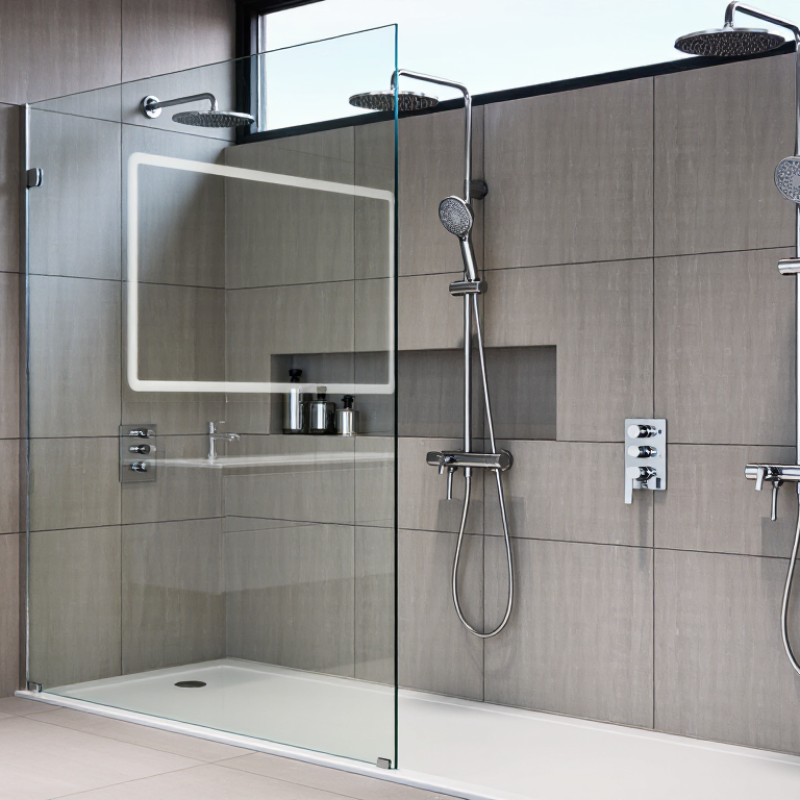
7 Best Body Jet Showers for Modern Bathrooms

What Body Jet Showers Are and How They Work

Body jet showers are wall-mounted spray outlets that direct water across the body, rather than only downward from above. They are often installed in pairs or vertical rows, with each nozzle aimed toward the shoulders, back, or legs. The goal is a broader, more adjustable rinse. Not magic.

Behind the wall, the jets connect to supply pipes and a valve or diverter that routes water from the shower control. Turning the control sends water through the selected outlets; some systems let users run the jets and overhead shower together. Pressure matters. If several outlets share a line, the spray may feel weaker unless the plumbing is sized for the added flow. A plumber can check pipe capacity, valve compatibility, and access before tile is installed.

The nozzles usually have small openings, so mineral deposits can affect their spray pattern over time. Wiping them after use helps, though it will not solve every hard-water problem. Placement deserves thought: jets set too high or low can miss the areas you want to rinse. There is no perfect layout for every body. One detail is easy to underestimate: standing still may feel relaxing, but reaching each spray comfortably depends on your height, stance, and the layout. A simple plan on paper can reveal awkward angles before construction starts.

Key Features That Define a Quality Body Jet Shower

A quality body jet shower depends on control and fit, not the number of outlets. Look for adjustable jets that change direction without forcing you to twist. A broad, even spray can feel relaxing, while a narrower stream may suit a targeted rinse. Check that the controls make it easy to switch zones. Small details matter.

Water pressure needs attention. Multiple jets can reduce flow at each outlet, especially in older homes or shared plumbing. Check the valve’s flow requirements and your household pressure before choosing a layout. A pressure-balancing or thermostatic valve can help keep water temperature steadier when another tap runs. It cannot fix every plumbing issue. Nozzle material and service access matter, too. Wipe-clean tips can make routine care easier, and removable trim may simplify maintenance. I would not choose a complicated system before checking that replacement parts are available.

Tips: Aim jets at comfortable areas, not directly at the face or sensitive skin. Keep the spray height adjustable if several people use the shower. Clean nozzles gently with a soft cloth and follow the care instructions. If pressure is uncertain, ask a qualified plumber to assess it before installation. That step may feel tedious, but it can prevent an expensive mismatch.

Seven Body Jet Shower Options for Modern Bathrooms

Body jets can make a daily shower feel more tailored, but the right layout depends on your space and water supply. Adjustable individual jets offer control over spray direction. Small details matter. A vertical shower column keeps the fittings in one compact area, while opposing side-wall jets create a more enveloping rinse. Broad spray panels cover more of the body, though they may need stronger water pressure.

An integrated hand-shower and body-jet system gives you two useful spray options in one enclosure. An exposed retrofit rail can suit bathrooms where opening the wall is impractical, but its visible pipework may not fit every design. Low-flow targeted jets focus water on selected areas and can help limit overall use. That benefit depends on the shower’s flow rate and how many outlets run at once.

Before choosing, check the wall structure, plumbing access, and available pressure with a qualified installer. Multiple jets can feel underwhelming if the supply cannot support them. Cleanable nozzles are also worth considering, since mineral deposits can affect spray quality over time. I would not choose by appearance alone; a striking panel can be awkward to maintain. Try to picture where the water will land, and whether controls remain easy to reach.

How to Choose a Body Jet Shower for Your Bathroom

Choosing a body jet shower starts with the room, not the number of nozzles. Measure the usable wall and note where the controls, door, and fixed showerhead sit. Measure twice. Jets should reach the body comfortably without spraying beyond the shower area. A simple paper layout taped to the wall can help you test the positions before plumbing begins. Include the height of the people who use the shower; one fixed arrangement may not suit everyone.

Water pressure matters. Multiple jets running together can feel weak if the plumbing cannot supply enough flow, so ask a qualified plumber to check the system before choosing a layout. Confirm that the valves can control the jets and main showerhead as intended. Consider the wall construction, too: recessed piping may require access behind the wall, while some installations need more substantial work. Nozzle material and finish affect cleaning, but easy access for removing mineral buildup matters just as much. Hard-water deposits can clog small openings over time.

Think about how you will actually shower. Closely spaced jets may feel intense, while fewer, adjustable jets offer more flexibility. That sounds obvious, but it is easy to over-plan around a showroom display. Check the manufacturer’s installation and maintenance instructions, and leave enough room to reach each nozzle. A small sketch now can prevent an awkward, costly layout later.

Installation, Care, and Maintenance Considerations

Body-jet showers need more than attractive tile and a row of brass-colored nozzles. Before installation, measure available water pressure and calculate the combined flow of every outlet running at once. A plumber can check pipe sizing, valve capacity, and whether the water heater can handle longer showers. Plan access to valves and connections before closing the wall; repairs behind finished tile are costly. Measure twice.

The U.S. EPA’s WaterSense program estimates that a typical family can save 2,700 gallons of water annually by replacing older showerheads with WaterSense-labeled models. That figure applies to qualifying showerheads, not automatically to multi-jet systems, so check each fixture’s flow rate rather than assuming the savings carry over. Water adds up. For upkeep, wipe jet faces with a soft cloth and follow the manufacturer’s descaling instructions, especially where hard water leaves white mineral rings. Avoid sharp tools that can damage outlets. Inspect accessible joints for dampness or slow drips every few months. I would not rely on appearance alone: a tiny leak can stay hidden behind a wall, and maintenance access is easy to overlook during a remodel.

7 Best Body Jet Showers for Modern Bathrooms - Installation, Care, and Maintenance Considerations

These are shower-system configurations rather than branded product rankings. Jet count, flow, compatibility, and installation requirements vary by model; confirm specifications, water pressure, and local plumbing rules before purchase.

Shower Configuration Best Suited For Typical Layout Installation Considerations Care and Maintenance
1. Opposing Body-Jet Columns Walk-in showers with enough width for spray from both sides. Two vertical columns, commonly with two or three jets per side. Plan opposing spray directions to reduce water escaping the shower area. Check that the valve and supply piping can support the combined outlets. Wipe the faces after use. Clean spray nozzles according to the manufacturer’s instructions and check connections for leaks.
2. Single Vertical Jet Column Compact bathrooms or showers where a simpler layout is preferred. One vertical row, often with two or three jets positioned to suit the user. Confirm the selected mounting positions work for the household before closing the wall. Provide suitable access to serviceable plumbing connections. Remove surface water to limit mineral spotting. Clear clogged nozzles using the cleaning method specified for the particular finish and spray face.
3. Paired Horizontal Jets Showers designed for a broad, balanced spray across the torso. Two jets mounted at similar heights on opposite walls or sides of a panel. Align the jets and check their spray paths on site. A qualified installer should verify pipe sizing, available pressure, and valve capacity. Clean both spray faces regularly and inspect seals or trim for signs of wear. Avoid abrasive pads that may damage the finish.
4. Corner-Mounted Pair Corner showers or enclosures with limited wall space. Two jets on adjacent walls, angled toward the showering area. Check the enclosure dimensions and door swing so the spray remains inside the shower. Confirm wall structure and waterproofing details before installation. Wipe down the corner and surrounding grout or sealant after use. Keep spray outlets clear of soap residue and mineral deposits.
5. Retrofit Body-Jet Panel Renovations where minimizing concealed pipe changes is a priority. A surface-mounted panel with integrated jets and accessible connections; layouts vary. Check the panel’s connection requirements and wall support. “Retrofit” does not guarantee compatibility with existing plumbing, pressure, or mounting conditions. Follow the panel’s instructions for cleaning its finish and nozzles. Periodically inspect accessible hoses, joints, and wall connections for leaks.
6. Thermostatic Multi-Outlet System Showers combining body jets with a showerhead or hand shower. Body jets paired with one or more additional shower outlets and a compatible control system. Confirm which outlets can run at the same time and whether the water supply can meet their combined demand. Use compatible controls and have the system installed to local plumbing requirements. Clean each outlet and control according to its instructions. Check temperature control and inspect the system for drips or changes in spray performance.
7. Adjustable-Position Jet Set Households seeking flexibility in spray direction or user positioning. Several adjustable or directional jets arranged in one or more vertical rows. Verify that adjustment ranges do not direct water outside the enclosure. Make sure the mounting and plumbing arrangement allows access for future servicing. Move adjustable heads gently and clean around joints. Do not force stuck components; use the manufacturer’s recommended descaling and maintenance method.

FAQS

What is a body jet shower?

It uses wall-mounted nozzles to spray water across your body. Not just from above.

Where are body jets usually placed?

They are often installed in pairs or vertical rows, aimed at the shoulders, back, or legs. Placement depends on your height and stance.

Can body jets run with an overhead shower?

Some systems allow both to run together. Check the valve and plumbing capacity before choosing that setup.

Will adding more jets make the spray stronger?

Not necessarily. Several outlets sharing one line can reduce flow at each nozzle.

What should I check before installation?

Ask a qualified plumber to assess pressure, pipe sizing, valve capacity, and water-heater needs. Plan access to connections before the wall is tiled.

How can I keep the nozzles clean?

Wipe them with a soft cloth and follow the care instructions. White mineral rings may need careful descaling.

How do I choose a comfortable jet layout?

Aim sprays at areas you want to rinse, not your face or sensitive skin. A paper sketch can reveal awkward angles, though it may not catch everything.

What maintenance problems should I watch for?

Check accessible joints for dampness or slow drips every few months. A small leak can hide behind finished tile. I would not rely on appearance alone.

Conclusion

Body Jet Showers bring a spa-inspired experience into the modern bathroom by directing water from multiple wall-mounted jets toward the body. This overview explains how the jets work and what distinguishes a quality system, including spray performance, durable materials, ease of use, and compatibility with the bathroom’s water supply. It also introduces seven types of body jet shower options, ranging from simple configurations to more customizable arrangements, to help readers compare features and styles.

Choosing the right Body Jet Showers setup involves considering bathroom size, plumbing, water pressure, personal preferences, and installation requirements. The article also covers practical care, such as cleaning the spray outlets, checking connections, and following the manufacturer’s maintenance guidance. With thoughtful selection and regular upkeep, a body jet system can complement a bathroom’s design while offering a comfortable and reliable daily shower experience.

Elowen

Elowen

Elowen is a dedicated marketing professional with a deep understanding of the company’s products, customers, and industry landscape. With a strong combination of strategic insight, clear communication, and practical market knowledge, Elowen regularly contributes expert articles to the company’s......