
0%

A built-in bathtub can make a bathroom feel calm and carefully planned, but the right choice depends on more than appearance. Room dimensions, plumbing locations, bathing habits, and cleaning needs all matter. Built-in Bathtubs sit within a framed or tiled surround, which can create a useful ledge for soap and towels. They can also require more planning than a freestanding model. Measure the space before falling for a glossy product photo.

This guide explores seven built-in bathtub options, from compact alcove designs to deeper models suited to longer soaks. Each style brings trade-offs. A wider tub may feel comfortable, yet take up valuable floor space. A low step-over edge can help with entry, while the tub’s interior shape affects how supported you feel. Materials also influence weight, upkeep, and the kind of support the installation may need. Check the manufacturer’s specifications and ask a qualified installer to confirm that a model works with your bathroom’s structure and plumbing.

Details matter. Picture a narrow bathroom where a deep tub leaves little room to stand, or a bright white surround that shows every water mark. Those small frustrations are easy to overlook. No single tub is best for every home, and product descriptions rarely answer every practical question. Use the seven picks as a starting point, then compare measurements, comfort, maintenance, and installation requirements against your own space. A little caution helps. It may even prevent an expensive mismatch.
7 Best Built In Bathtubs for Your Bathroom?

What Is a Built-In Bathtub?

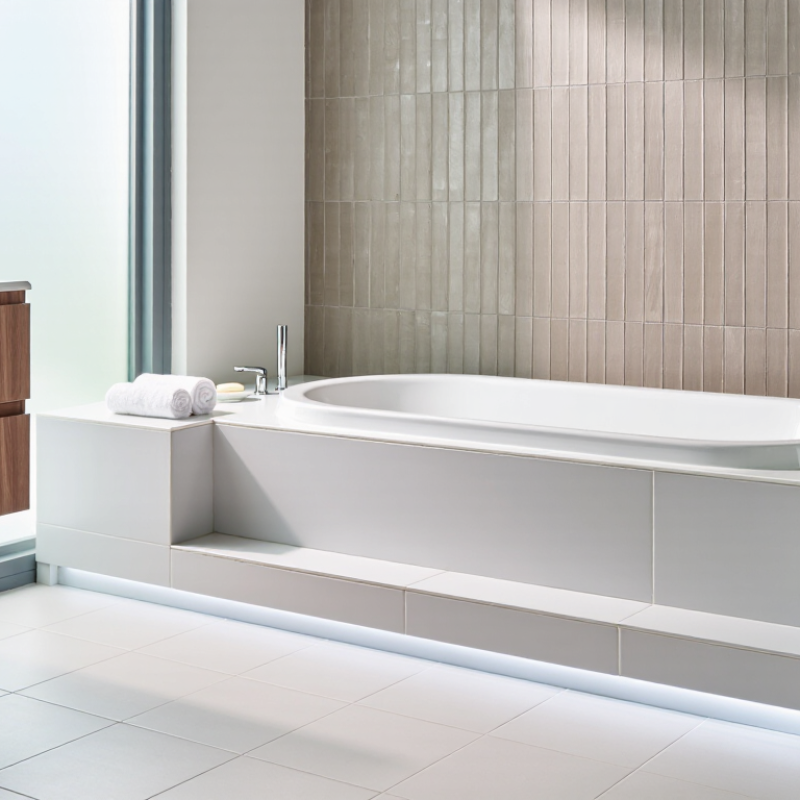
A built-in bathtub is a tub installed within a framed enclosure or against finished walls. Its sides are usually hidden by a tiled, paneled, or solid-surface surround. Unlike a freestanding tub, it is designed to become part of the bathroom layout. The rim may rest on a deck, or the tub may fit neatly between three walls. Simple in appearance.

Common layouts include alcove, corner, and drop-in installations. An alcove tub typically has a finished front apron and unfinished sides concealed by walls. A drop-in tub sits inside a constructed platform, leaving its rim visible. That platform can hold soap or a folded towel, but it also takes up floor space. Measure carefully.

The enclosure needs proper waterproofing, and the plumbing should remain accessible for repairs. A removable access panel near the drain can prevent difficult demolition later. Check the tub’s dimensions against doorways, stair turns, and the bathroom floor before ordering. Full tubs are heavy, especially when filled, so confirm that the floor structure can support the load. This detail is easy to overlook. A narrow bathroom can also make cleaning the far edge awkward, even when the installation looks tidy.

Common Types and Features of Built-In Bathtubs

Built-in bathtubs fit into a framed surround, which can create a tidy, integrated look. An alcove tub sits between three walls and suits many compact bathrooms. A drop-in tub rests inside a raised deck, leaving room for tile or a wide ledge. An undermount tub sits beneath the deck surface for a smoother edge. Each layout needs different framing and access for repairs.

Features affect comfort as much as appearance. Check the bathing well’s length and depth against the tallest person who will use it. A sloped backrest can support lounging, while a flat base may feel less comfortable for longer soaks. Acrylic tubs are relatively light, but the floor and framing still need to support the filled tub. Cast iron is heavier and often retains heat well. Small details matter. Look for a textured floor, reachable controls, and an overflow that suits your preferred water level.

Measure the room, doorway, and plumbing locations before choosing a model. Leave practical access to the drain and faucet; hiding every pipe can make later repairs harder. The surround also needs surfaces that tolerate regular splashes and cleaning. A deep tub may look inviting, yet require more water and effort to step into. That can disappoint. Test the entry height and sitting position in person when possible, and confirm installation requirements with a qualified professional.

7 Best Built-In Bathtubs for Your Bathroom? — Common Types and Features of Built-In Bathtubs

Type Typical Features Best Suited For Advantages Considerations
Alcove bathtub Usually fits into a three-wall recess and has a finished front apron. Many models include an integral ledge for a shower enclosure. Bathrooms with a standard tub-and-shower layout or limited floor space. Uses space efficiently and can simplify shower installation. Size and drain location must match the alcove; access to plumbing may be limited after installation.
Drop-in bathtub The tub is lowered into a framed platform or deck, leaving its rim visible. The surrounding deck can be finished with tile or another water-resistant surface. Bathrooms with room for a custom deck or a built-in surround. Offers flexibility in deck shape and creates a finished, integrated appearance. Requires framing and a properly waterproofed deck; the platform takes up additional space.
Undermount bathtub The rim sits beneath a deck surface, creating a clean edge around the tub opening. It generally requires a compatible deck and installation system. Bathrooms designed around a continuous stone, solid-surface, or tiled deck. Provides a streamlined look and makes it easy to wipe water from the deck into the tub. Installation and replacement can be more involved; confirm that the tub and deck materials are compatible.
Corner bathtub Designed to fit into a corner, often with a broader basin or angled front. Some models are built into a surrounding deck. Bathrooms where a corner location works better than a long wall installation. Can make use of a corner and offer a wider bathing area in some designs. May occupy more floor area than expected; check the footprint and access around the tub before choosing.
Built-in soaking bathtub A deeper bathing tub without powered water or air jets. It may be installed in an alcove or deck, depending on the model. People who prioritize a deeper, quieter bath and do not need a whirlpool system. Has fewer mechanical parts than a jetted tub and can offer a simple bathing experience. Check the tub’s interior depth, water capacity, and whether the water heater can supply enough hot water.
Built-in whirlpool bathtub Uses a pump to circulate water through jets. The system typically needs electrical service and accessible equipment for maintenance. Bathrooms where powered water circulation is a desired feature. Provides water movement during a bath and can be installed within a built-in surround. Requires careful electrical installation, regular cleaning, and access to the pump and plumbing.
Built-in walk-in bathtub Has a watertight door and a seat to allow entry without stepping over a standard tub wall. It is usually fitted into a framed or enclosed space. Users who find it difficult to step over a conventional bathtub wall. Offers a lower-entry bathing option and an integrated seat. The door must be closed before filling, and users generally need to remain inside while the tub drains. Verify doorway access and installation dimensions.

How to Choose a Built-In Bathtub for Your Bathroom

7 Best Built In Bathtubs for Your Bathroom?

How to Choose a Built-In Bathtub for Your Bathroom

A built-in bathtub should fit your room, routines, and plumbing—not just a showroom display. Measure the alcove wall to wall, then check the tub’s finished dimensions and drain position. Leave space for the faucet, access panels, and a safe step-in. Houzz’s 2024 U.S. Houzz & Home Study reported a $15,000 median spend for bathroom renovations. That figure covers more than a tub, but it shows why installation, waterproofing, and tile belong in your budget. A bargain tub may cost more if it needs unusual fittings.

Compare soaking depth, interior shape, and material. Acrylic is relatively light and retains heat; cast iron is durable but heavy, so confirm the floor can support it. Sit in a similar-sized tub if possible. Your shoulders should feel supported, and the rim should be easy to cross. A deeper tub can feel luxurious, yet be awkward for children or anyone with limited mobility. This detail is easy to overlook.

Tips: Use painter’s tape to mark the tub’s footprint on the floor. Check that the door opens freely and the drain aligns with existing plumbing. Ask a licensed plumber to verify framing, supply lines, and access before ordering.

Seven Built-In Bathtubs to Consider

Seven built-in bathtub styles solve different problems, so measure the room before choosing a shape. An alcove tub fits between three walls and usually works well in compact bathrooms. A deep-soaking alcove model offers more immersion, but check its water capacity and floor support. A drop-in tub sits inside a framed deck, creating a ledge for soap or a folded towel. An undermount tub slips beneath a counter edge for a cleaner line. Details matter.

A corner tub can use an awkward footprint, though its wide rim may consume walking space. A Japanese-style soaking tub is compact but unusually deep; stepping in and out deserves careful thought. A built-in walk-in tub adds a door and seat, but entry access and cleaning need attention. The AARP 2024 Home and Community Preferences Survey found that 75% of adults aged 50 and older want to remain in their homes as they age. That preference makes safe entry, sturdy grab-bar backing, and reachable controls practical design priorities, not decorative extras.

Compare the finished tub dimensions, not just the product outline. Check whether the drain location matches existing plumbing, and ask a qualified installer about subfloor strength before selecting a heavy model. A handheld shower can help with rinsing, though it will not fix an awkward transfer. Even a beautiful tub can be inconvenient. Choose based on daily use, available clearance, and who will step in and out.

Installation and Maintenance of Built-In Bathtubs

A built-in bathtub should be planned around the room, not just its footprint. Check the floor structure, drain location, and route for carrying the tub indoors before ordering. Measure twice. A plumber or experienced remodeler can confirm that the framing supports the filled tub and that connections remain reachable. The 2024 Houzz U.S. Bathroom Trends Study found that 84% of homeowners renovating bathrooms hired professionals. That figure reflects how much coordination plumbing and installation can require. Before closing the surround, fill the tub and inspect the drain and joints for leaks. Access matters.

After installation, follow the tub maker’s care instructions and use a soft cloth with a nonabrasive cleaner. Avoid harsh pads that may dull the surface. Check caulk and grout regularly, especially where the tub meets the wall; replace cracked or separated sealant promptly. A neat-looking edge can still conceal moisture. The U.S. Environmental Protection Agency estimates household leaks waste nearly 10,000 gallons of water per year on average, making periodic checks worthwhile. Watch for damp flooring, loose fittings, or a slow drain. Small details count. If you find persistent moisture, do not simply cover it with new caulk; identify the source before repairing the finish.

7 Built-In Bathtub Styles: Typical Length Ranges

Compare common built-in tub configurations to help plan your bathroom layout.

Lengths are approximate typical ranges in inches; actual dimensions vary by model. Check the tub’s specifications and allow for installation access, plumbing, and surrounding clearances.

FAQS

What is a built-in bathtub?

It fits within a framed enclosure or against finished walls. Tile or panels usually hide its sides. Simple in appearance.

What is the difference between an alcove and a drop-in tub?

An alcove tub fits between three walls and often has a finished front apron. A drop-in tub sits inside a raised platform, leaving its rim visible. That platform uses floor space.

How should I check whether a tub will fit?

Measure the bathroom, doorways, and stair turns before ordering. Compare finished tub dimensions, not only the product outline. Measure twice.

What should I check before installation?

Confirm the drain location, floor strength, and route for carrying the tub indoors. Ask a qualified installer to check the framing and plumbing access. Full tubs are heavy.

Why does plumbing access matter?

A removable panel near the drain can make repairs easier. Without access, reaching a leak may mean removing part of the enclosure. Access matters.

How can I reduce the risk of leaks?

Before closing the surround, fill the tub and inspect the drain and joints. Later, watch for damp flooring, loose fittings, or slow drainage. A tidy edge can fool you.

How should I clean and maintain a built-in tub?

Follow the care instructions and use a soft cloth with a nonabrasive cleaner. Check caulk and grout regularly, especially along the wall. Replace cracked sealant.

What should I consider for safer everyday use?

Think about entry clearance, reachable controls, and sturdy grab-bar backing. A handheld shower can help with rinsing, but it cannot fix an awkward step. I would still check the transfer carefully.

Conclusion

Built-in Bathtubs are tubs fitted into a prepared space and finished with a surrounding deck, wall, or enclosure. They offer a neat, integrated look and can suit bathrooms of different sizes and styles. Common options vary in shape, material, depth, and added features, such as contoured seating or easy-clean surfaces. Understanding these differences can help narrow down the right style for your home.

When choosing a tub, consider the available floor space, bathing needs, comfort, budget, and how the design will work with your bathroom layout. This guide presents seven built-in bathtub options to consider, with practical details to help compare their benefits. It also covers installation planning, including preparing the space and ensuring proper support and drainage, along with routine care to keep the tub clean and in good condition over time.

Arthur

Arthur

Arthur is a dedicated marketing professional with a strong understanding of the company’s products, services, and long-term business vision. Through years of experience in market research, content strategy, and customer communication, he has developed the ability to translate complex product......