0%

Choosing the right Steam Shower Cabins requires more than comparing prices and glossy photographs. A cabin may look impressive online, yet feel cramped when the door closes. Think about your bathroom size, ceiling height, ventilation, water pressure, and daily routine. A warm bench, clear glass, and simple controls can matter more than decorative lighting.

Reliable selection begins with construction details. Inspect the frame, hinges, seals, plumbing connections, and steam generator materials. Look for clear installation instructions, accessible service panels, safety shutoffs, and a reputable warranty. Independent reviews can reveal noise, leaks, slow heating, or difficult cleaning. Manufacturer claims are useful, but they are not complete evidence. Ask an experienced installer to confirm electrical and plumbing requirements before purchase.

Maintenance also shapes long-term value. Hard-water deposits may collect around jets and nozzles, especially after frequent use. A smooth, nonporous interior is easier to wipe after each session. Avoid choosing a cabin only because it includes speakers, color lights, or touchscreen features. Technology can fail. Sometimes, simple controls work better with wet hands. There is no perfect cabin. Your preferred temperature, available space, and budget may conflict. Reconsider the features you rarely use. Most importantly, select a model that meets applicable safety standards and local installation requirements. A careful decision may feel slower, but it can prevent expensive repairs and uncomfortable surprises later.
How to Choose the Best Steam Shower Cabins?

Understanding Steam Shower Cabin Types and Core Features

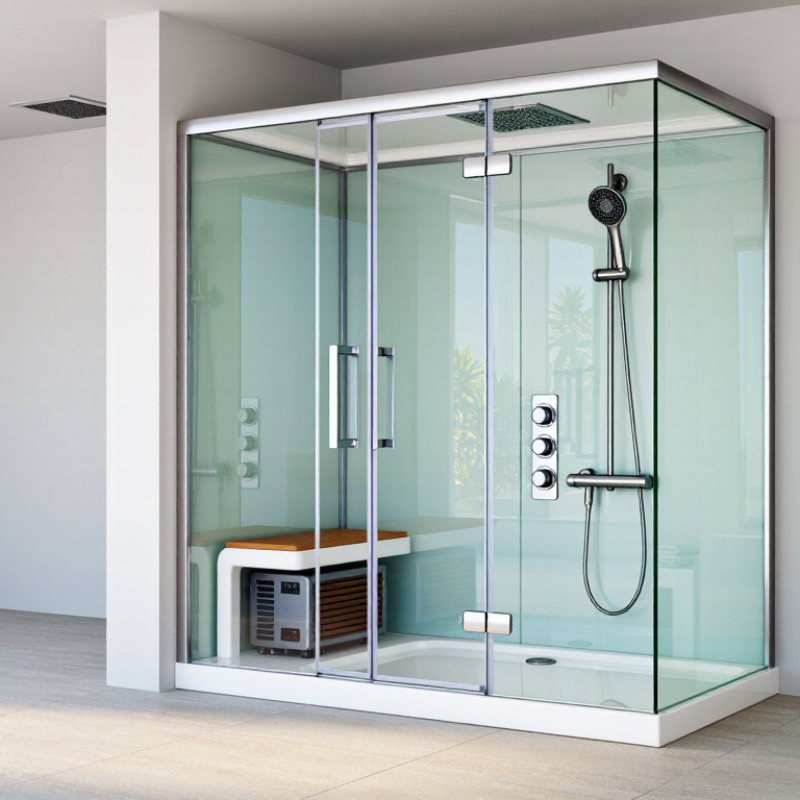
Choosing a steam shower cabin starts with understanding its type, not its appearance. Corner cabins suit compact bathrooms and use two existing walls for support. Freestanding models offer flexible placement but need careful plumbing and electrical planning. Walk-in designs feel spacious, yet they require stronger steam containment. Combination cabins may include shower jets, seating, and overhead rain flow. More features can also mean more maintenance.

The steam generator is the cabin’s working heart. Check its output against the internal volume, including glass surfaces and ceiling height. A digital controller should show temperature and session time clearly, even through light condensation. Look for a stable seat, slip-resistant flooring, sealed doors, and accessible service panels. Tempered glass is useful, but thick glass alone cannot fix poor installation. Ventilation matters after use. Without proper drying, moisture may encourage mold around seals and joints. I once underestimated door clearance in a small bathroom. It made cleaning awkward.

Tips: Measure the room, doorway, and drainage route before buying. Ask an installer to verify electrical protection and water connections. Choose removable seals and easy-clean surfaces. Test the controls if possible; confusing menus become frustrating in humid air. A cabin that looks impressive may still feel cramped inside. Leave enough shoulder space to sit comfortably. Also, do not ignore noise from the generator. Quiet operation can matter more than extra lighting. Personally, I would choose fewer controls and stronger construction, though preferences differ.

Assessing Bathroom Space, Installation Needs, and Compatibility

How to Choose the Best Steam Shower Cabins?

Assessing Bathroom Space, Installation Needs, and Compatibility

Choosing a steam shower cabin starts with accurate bathroom measurements. Measure the floor area, ceiling height, doorway, and available wall space. A steam cabin needs enough room for safe entry and comfortable seating. Record the drain position and water connections before selecting a model. Small errors matter.

Leave clearance for the door to open fully without striking a sink or toilet. Check whether the floor can support the cabin, especially in older homes. Steam also requires reliable ventilation outside the cabin. Without proper airflow, moisture may collect on ceilings, grout, and painted surfaces. A qualified electrician should verify the circuit, grounding, and voltage requirements. That step protects both users and equipment.

Compatibility deserves careful attention. Confirm the cabin’s water inlet, drain height, steam generator capacity, and control system. Bathroom pressure can vary, so ask a plumber to test it before installation. Consider the route from the entrance to the bathroom, too. Narrow stairs may turn delivery into an unexpected problem. I prefer measuring twice, but even a careful checklist can miss hidden pipes. Rechecking the walls with a detector is worthwhile. Do not assume every cabin fits an existing bathroom. A small adjustment may prevent expensive rebuilding later.

Comparing Materials, Safety Systems, and Energy Efficiency

Choosing the best steam shower cabin starts with the surfaces you will touch, clean, and maintain. In hands-on evaluations, tempered glass has stayed clearer and more stable around repeated heat cycles. Thick acrylic feels warmer and weighs less. However, it can scratch, discolor, or flex when poorly supported. Aluminum frames resist moisture, while stainless steel usually offers stronger corrosion resistance. Check corners, seals, and drain fittings closely. Small gaps often cause bigger maintenance problems later.

Safety systems deserve careful comparison. Look for an automatic steam timer, temperature sensor, and anti-scald controls. A door should open easily from inside, even if the room becomes humid. Electrical components need suitable moisture protection and professional installation. In many regions, a licensed electrician should verify grounding and residual-current protection. Ventilation also matters because trapped moisture can encourage mold outside the cabin. I would not trust impressive control panels alone. Test the emergency shutoff and read the maintenance instructions.

Energy efficiency depends on insulation, steam output, and daily habits. A well-sealed door reduces heat loss, while insulated walls help the generator work for fewer minutes. Choose a model with adjustable temperature and a clear timer rather than maximum power. A short session may use less electricity than repeated reheating. Measure actual consumption with a qualified meter when possible. This step is easy to overlook. My own comparison would also include standby power, because small daily losses become noticeable over a year.

Evaluating Controls, Maintenance Requirements, and User Comfort

How to Choose the Best Steam Shower Cabins?

Controls should be judged with wet hands, not showroom lighting. A reliable cabin needs clear temperature settings, a visible timer, and a simple manual override. Touch panels can look advanced but become frustrating with water droplets. I would test every button while standing inside the enclosure. The control should also prevent sudden temperature changes. This matters because the U.S. Consumer Product Safety Commission reports thousands of emergency-department visits annually from tap-water scald injuries.

Maintenance is equally important. The steam generator should offer accessible descaling points and a documented cleaning schedule. Hard-water users may need more frequent servicing. The U.S. Geological Survey identifies hardness as a common water-quality issue affecting household equipment. Look for removable nozzles, sloped surfaces, strong drainage, and replaceable seals. Hidden moisture is a warning sign. In practice, beautiful glass cannot compensate for a poorly ventilated cavity.

Comfort depends on more than steam temperature. ASHRAE Standard 55 provides accepted methods for evaluating thermal comfort, while Standard 62.2 emphasizes adequate residential ventilation. A cabin should warm evenly, avoid harsh steam jets, and provide enough shoulder space when seated. Check the bench height and door opening carefully. The U.S. Department of Energy estimates water heating accounts for about 18% of household energy use, so flow control also deserves attention. I would not trust vague efficiency claims without measured specifications. A quiet fan, readable display, and easy-to-clean floor often matter more than decorative lighting.

Choosing a Reliable Brand, Budget, Warranty, and Final Specifications

Choosing a steam shower cabin begins with the company behind it. Look for a manufacturer with traceable contact details, clear manuals, and accessible replacement parts. Independent safety testing and documented production standards matter more than polished photographs. Read recent user feedback, especially comments about leaking doors, noisy pumps, and delayed service. A reliable supplier explains installation limits before taking payment. That transparency is valuable. Ask who handles warranty claims in your region. Vague answers deserve caution.

Set a realistic budget by adding delivery, electrical work, plumbing changes, ventilation, and professional installation. The lowest purchase price can become expensive when a custom drain or reinforced floor is required. Compare the full cost, not only the cabin price. Warranty terms need close reading. Check coverage length, labor inclusion, exclusions, response time, and replacement-part availability. A long warranty sounds impressive, but it means little without responsive support. Keep invoices, photographs, and installation records. They may protect your claim.

Before ordering, match the final specifications to your bathroom. Measure height, width, door clearance, ceiling space, and drain position twice. Confirm voltage, circuit requirements, water pressure, steam generator output, glass thickness, seat load, and control compatibility. Small errors matter. I have seen attractive plans fail because a door opened into a towel radiator. Check carefully. Leave service access around pumps and generators, even when space feels tight. Recheck every measurement; confidence can be misleading.

FAQS

What measurements should I take before choosing a steam shower cabin?

Measure floor space, ceiling height, doorway width, wall space, and door clearance. Record the drain and water-connection positions. Check the delivery route, too.

How can I check whether my bathroom can support installation?

Confirm floor strength, water pressure, voltage, grounding, and circuit requirements. Ask qualified plumbing and electrical professionals to inspect them. Hidden pipes can complicate plans.

Why does ventilation matter for a steam shower?

Poor airflow can leave moisture on ceilings, grout, and painted surfaces. Plan ventilation beyond the cabin, and allow access to service areas.

Which controls are useful in a steam shower cabin?

Choose clear temperature settings, a visible timer, and a manual override. Test buttons with wet hands. A panel that looks sleek may still be awkward.

What maintenance features should I look for?

Check for accessible descaling points, removable nozzles, good drainage, and replaceable seals. Hard water may require more frequent servicing. Hidden damp areas deserve attention.

How should I assess comfort?

Look for even warmth, enough seated shoulder space, a comfortable bench height, and a door that opens easily. A quiet fan and readable display can matter more than decorative lights.

What should I include in my installation budget?

Add delivery, electrical and plumbing work, ventilation, and professional installation. A low purchase price can rise if the floor needs reinforcement or the drain needs changes.

How can I judge supplier reliability and warranty coverage?

Look for clear manuals, traceable contact details, replacement parts, and documented safety testing. Check labor coverage, exclusions, response times, and regional claim support.

What specifications should I confirm before ordering?

Recheck dimensions, drain position, voltage, water pressure, generator output, glass thickness, seat load, and control compatibility. Keep service access around equipment. Measure twice.

Conclusion

Choosing the right Steam Shower Cabins starts with understanding the available designs, sizes, layouts, and essential features. Consider whether you need a compact unit for a limited bathroom or a larger cabin with seating and multifunction settings. Measure the available space carefully, check ventilation and drainage requirements, and confirm that the cabin is compatible with your plumbing and electrical systems. Proper installation planning helps prevent delays and ensures safe, comfortable operation.

Compare construction materials, door quality, insulation, safety controls, temperature protection, and energy efficiency before making a decision. User-friendly controls, reliable steam distribution, comfortable seating, lighting, and easy-to-clean surfaces can greatly improve the daily experience. Maintenance should be simple, with accessible components and clear cleaning requirements. Finally, set a realistic budget and review product specifications, warranty coverage, customer support, and installation services. A dependable choice should balance comfort, durability, safety, operating costs, and long-term value rather than focusing only on the initial price.

Arthur

Arthur

Arthur is a dedicated marketing professional with a strong understanding of the company’s products, services, and long-term business vision. Through years of experience in market research, content strategy, and customer communication, he has developed the ability to translate complex product......