
Insights & Innovations
Explore expert advice, design inspiration, and latest bathroom innovations.

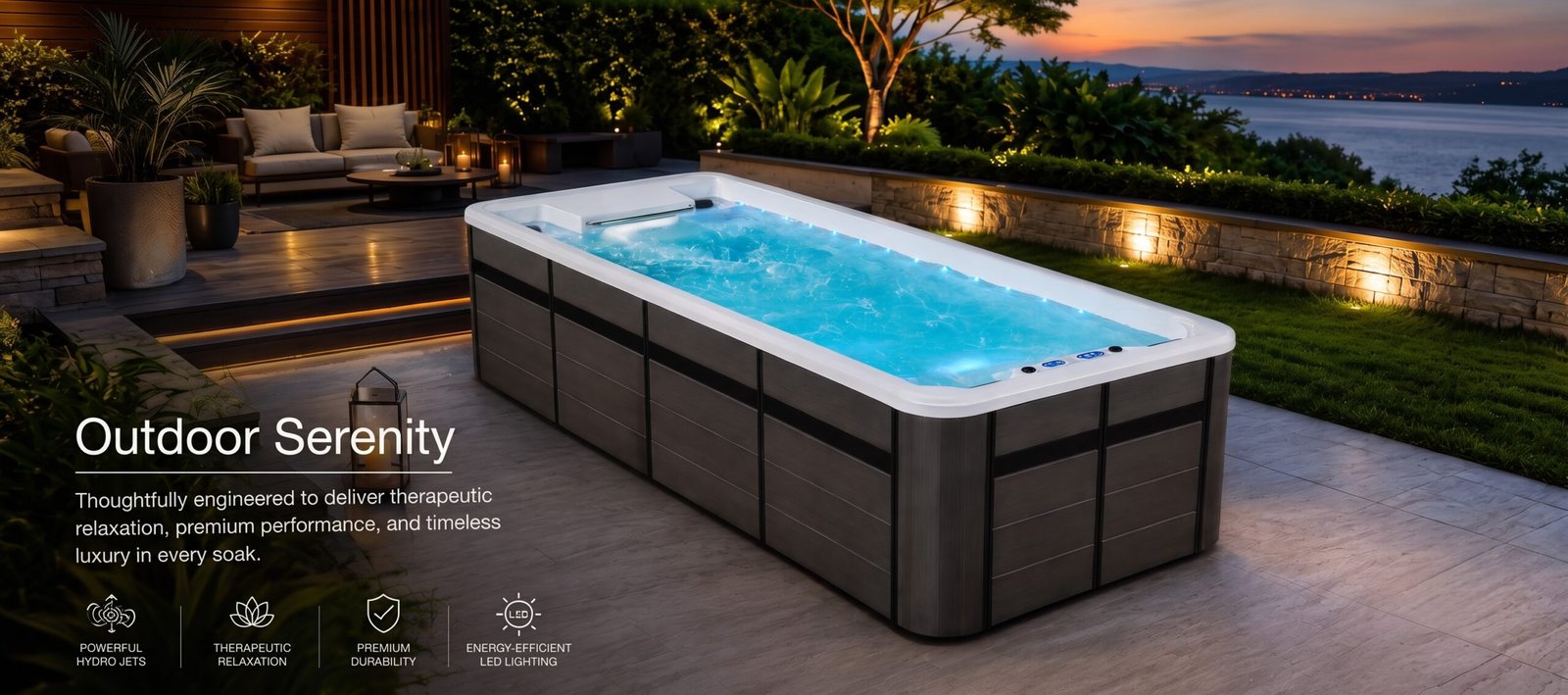
Ambient Light & Water
Deep dives into modern shower engineering and architectural wellness.

Architectural Elegance
Selecting the ideal freestanding bathtub for luxury residential spaces.
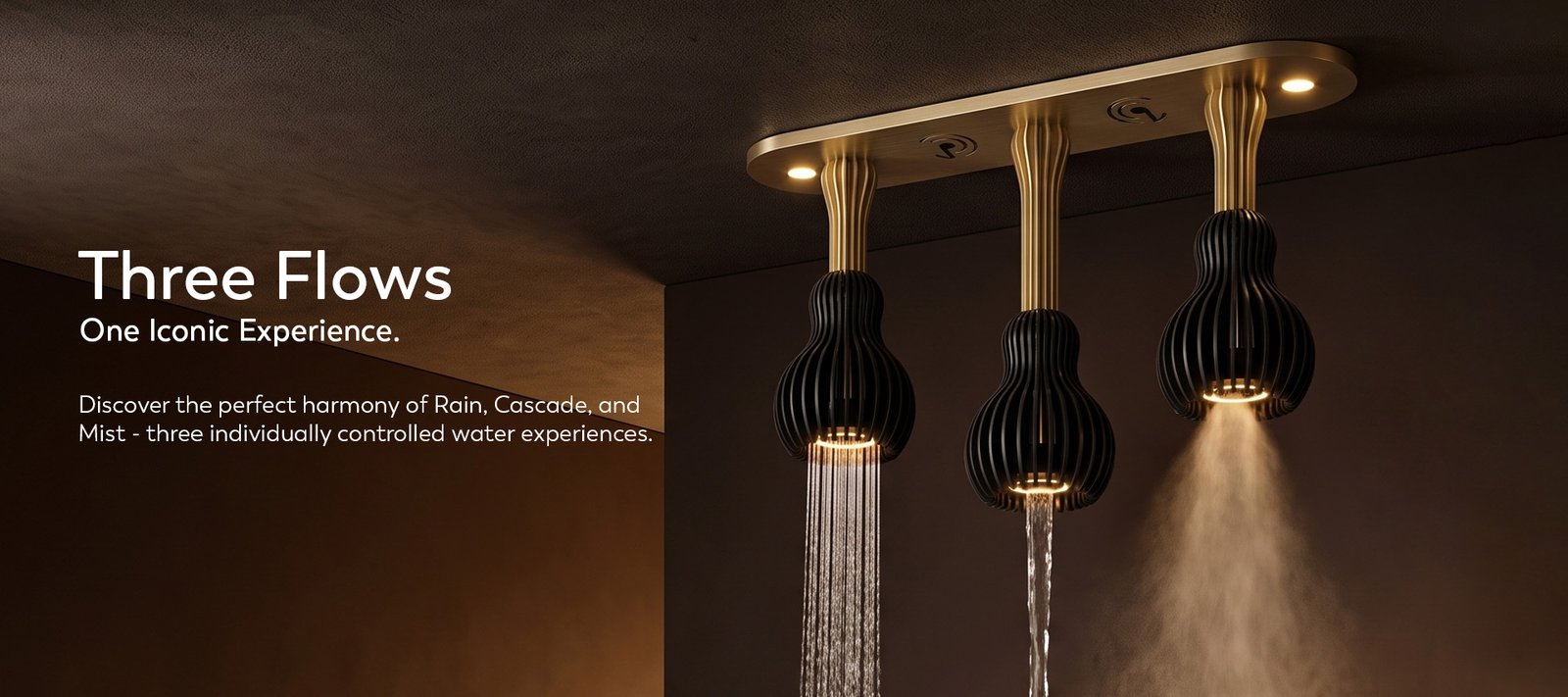
Future of Living
Discover how touchless technology and automation shape luxury spaces.
What Is a Freestanding Bathtub and Is It Worth It?
A freestanding bathtub is more than a place to soak. It can become the room’s visual anchor, especially when positioned beneath a window, beside warm timber, or against hand-finished tile. Jamie Gold, wellness design consultant and author of Wellness by Design, describes this role clearly: “A bathtub can become a room’s visual anchor.” That idea explains the appeal of Freestanding Bathtubs, but it does not prove every bathroom needs one.
Recent industry research supports their continued visibility. The National Kitchen & Bath Association’s 2024 Design Trends Report identifies freestanding tubs as a persistent preference in contemporary bathroom planning. Houzz’s 2024 U.S. Bathroom Trends Study also tracks freestanding tubs among the feature choices homeowners consider during major renovations. These reports reveal interest, not guaranteed value. That distinction matters.
A freestanding model may offer flexible placement, stronger visual impact, and easier access for cleaning around the tub. However, it can require more floor space, careful plumbing placement, and greater installation costs. A deep, beautiful tub may also remain unused if daily routines favor quick showers. Many buying guides overlook that uncomfortable detail.
The real question is practical. Does the bathroom have enough clearance? Can the floor support the filled tub? Will the bath stay warm long enough for a genuine soak? This guide examines what Freestanding Bathtubs are, how they differ from built-in designs, and whether their comfort justifies the space, maintenance, and expense. [Need to verify final fixture dimensions locally.]
What Defines a Freestanding Bathtub?
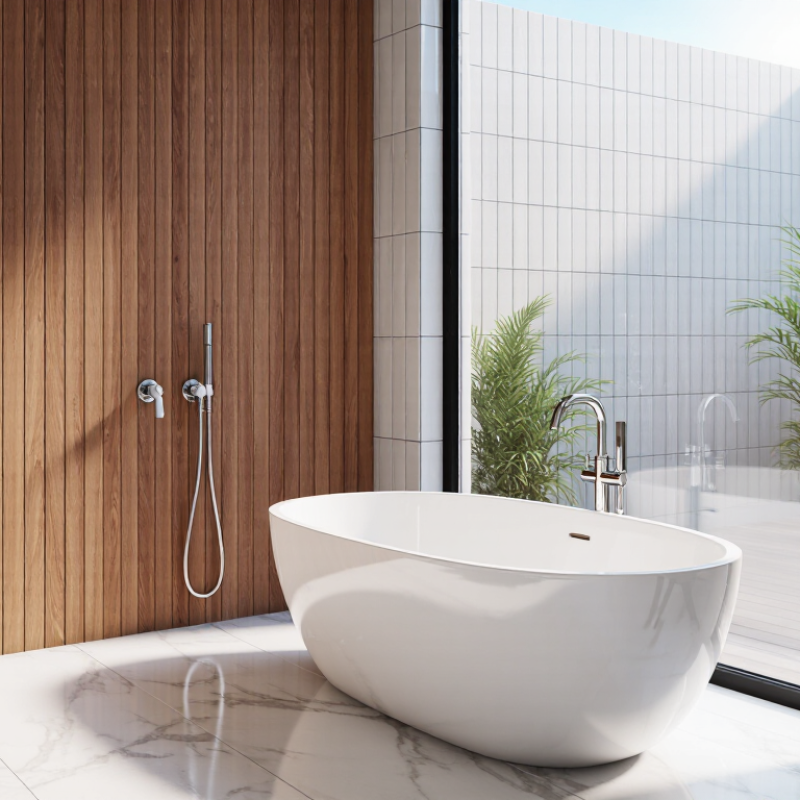
A freestanding bathtub is a self-supporting tub that stands independently from surrounding walls. Its finished exterior remains visible on every side. Unlike an alcove tub, it does not rely on three walls for support or waterproofing. Common forms include oval, slipper, and rectangular designs. Some sit on feet, while others rest directly on the floor.
The 2024 U.S. Houzz Bathroom Trends Study reports a median major bathroom renovation spend of $13,500. That figure makes planning important. A freestanding tub can become the room’s visual centerpiece, but it also needs floor space, nearby plumbing, and safe access. The National Kitchen & Bath Association’s 2024 bathroom design research continues to treat freestanding tubs as a major planning category. Still, popularity does not guarantee comfort. A deep tub may look elegant yet feel difficult to enter. Cleaning behind it can also become an unwanted weekly task. I would not choose one from photographs alone.
Tips: Measure the finished floor, not the unfinished room. Leave enough clearance for cleaning and movement. Confirm the drain location before ordering. A filled tub is heavy, so a qualified professional should verify floor capacity. Check the rim height in person, especially for older users. The U.S. Environmental Protection Agency notes that showerheads meeting WaterSense criteria use no more than 2.0 gallons per minute, so frequent shower users may value efficiency more than soaking space. A freestanding bathtub is worth considering when bathing is genuinely part of your routine, not merely part of a showroom image.
What Is a Freestanding Bathtub and Is It Worth It?
What Defines a Freestanding Bathtub?
A freestanding bathtub is a finished tub designed to stand independently on the bathroom floor rather than being attached to a wall or built into a deck. Its exposed exterior, visible floor footprint, and floor-mounted or freestanding plumbing are its defining characteristics.
How to read the chart: Freestanding tubs commonly range from compact models suited to smaller bathrooms to larger models that require more floor space. The dimensions shown are representative planning figures, not product specifications. Actual measurements vary by tub design and installation requirements.
How Freestanding Bathtubs Differ from Built-In Models
A freestanding bathtub sits independently on the bathroom floor, with finished surfaces visible from every angle. Built-in models, by contrast, fit against one or more walls and usually use a surrounding deck or tiled enclosure. This difference changes both appearance and installation. A freestanding tub can become the room’s focal point, especially beneath a window or near a plain wall. It also needs clear space around its sides for cleaning and safe movement.
Built-in tubs often suit compact bathrooms better. Their wall connection saves floor area and creates a useful ledge for soap, candles, or bathing supplies. The enclosure can also hide plumbing and reduce splash concerns. Freestanding models usually require more precise drain placement, and the floor must support their concentrated weight. A site inspection should check joists, pipe routes, door access, and the finished tub height before purchase. Small mistakes become expensive later.
Cleaning is different too. Dust collects behind a freestanding tub, while grout and sealant demand attention around a built-in model. I once underestimated how awkward a heavy tub could be to carry through a narrow doorway. That detail deserves more planning. Freestanding tubs may feel luxurious, but they are not automatically more comfortable. Sloped backs, interior length, faucet reach, and water depth matter more than appearance. A practical choice depends on room dimensions, plumbing limits, cleaning habits, and how often the tub will actually be used.
Which Materials, Shapes, and Sizes Are Available?
A freestanding bathtub is finished on every side, so it can stand away from the wall. Its material affects comfort, weight, heat retention, and installation cost. Acrylic is lightweight, warm to the touch, and easy to repair, making it practical for many renovations. Cast iron holds heat well but may require structural review because a filled tub can exceed 700 pounds. Stone resin feels solid and premium, yet it is difficult to move. Fiberglass costs less, although its surface may scratch more easily.
Shapes change both appearance and usable space. Oval tubs offer softer lines and comfortable shoulder room. Rectangular models suit modern bathrooms and can fit tighter layouts. Slipper designs raise one or both ends, supporting longer soaking. Round tubs need generous clearance. The 2024 NKBA Design Trends Research Report identifies freestanding tubs as a continuing feature in primary-bathroom planning, but popularity should not replace measurements. A beautiful tub can become an awkward obstacle.
Common lengths range from 55 to 72 inches, with widths around 28 to 40 inches. Taller users may need a deeper basin, while shorter users should check whether their feet reach the floor. I would measure the doorway, stairway, plumbing position, and finished floor before ordering. Filled capacity often reaches 40 to 60 gallons. The U.S. Environmental Protection Agency’s WaterSense guidance limits efficient showerheads to 2.0 gallons per minute, reminding homeowners that bathing choices affect household water use. That comparison is imperfect, because tub volume depends on fill level. Still, it is useful. Allow at least 24 inches of clear entry space, and confirm floor capacity with a qualified professional.
What Installation Requirements Should You Consider?
A freestanding bathtub can become the room’s focal point, but its installation demands more planning than its simple shape suggests.
The floor must support the tub, the filled water, and the person using it. Water is heavy. A full tub may add several hundred pounds to the room’s structural load.
Check the subfloor before delivery. It should be level, solid, and protected from moisture. Uneven flooring can make the tub rock or prevent the drain from sealing properly.
A licensed plumber should confirm the drain location, waste pipe size, and hot and cold water connections. Some tubs require floor-mounted supplies, while others connect through a wall.
The chosen model determines the rough-in measurements, so avoid guessing.
Measure every doorway, hallway, and stair turn. Large tubs often fail to reach the bathroom because the delivery route is too narrow. Leave enough space around the rim for cleaning and safe movement.
A wet floor changes everything. Non-slip flooring and a nearby towel area are practical details that are easy to overlook.
Ventilation also matters. Steam can damage paint, trim, and framing over time, especially in a small bathroom.
Local building rules may require specific electrical clearances near water, so have an electrician review lighting and outlets.
Even careful plans can miss a few centimeters. Recheck measurements on site before cutting pipes or ordering materials.
Is a Freestanding Bathtub Worth the Cost and Maintenance?
What Is a Freestanding Bathtub and Is It Worth It?
A freestanding bathtub stands independently, rather than attaching to three surrounding walls. Its exposed shape can become the bathroom’s main visual feature. However, appearance is only part of the decision.
The purchase price may include the tub, floor-mounted faucet, waste connection, delivery, and installation. In a remodel, moving plumbing can increase the budget quickly. I would not judge value by appearance alone.
Maintenance is usually manageable, but it is not effortless. Water can collect beneath the tub if the floor is uneven or drainage is poorly designed. Dust also gathers around the base, especially in narrow bathrooms. A long-handled brush helps, although some spaces remain awkward to reach.
Wipe the surface after bathing to reduce soap film and mineral marks. Check the waste fitting and nearby joints occasionally for moisture. A small leak can damage flooring before it becomes obvious.
The bathtub may be worth the cost for someone who values deep soaking and has enough open space. It may be a poor choice for frequent showers, young children, or households needing easy access.
The floor must support the filled tub, water, and user together. A qualified installer should verify this load and confirm proper drainage before installation.
My own preference would depend on daily use, not photographs. A beautiful tub that is difficult to clean can become an expensive regret.
FAQS
It stands independently instead of attaching to three surrounding walls. Its exposed shape can become the bathroom’s visual focal point.
Not necessarily. The floor must support the tub, filled water, and the person using it.
Check the subfloor, drain location, waste pipe size, and hot and cold water connections. Confirm everything on site.
Large tubs may not pass through narrow doors, hallways, or stair turns. Measure every corner, not just the bathroom entrance.
Some models need floor-mounted supplies, while others connect through a wall. The chosen design determines the rough-in measurements.
Wipe the surface after bathing to limit soap film and mineral marks. Inspect joints and waste fittings for moisture.
The tub may rock, and the drain may fail to seal properly. Water can collect beneath the base.
It may be less practical for frequent showers, young children, or people needing easy access. Wet floors change the situation.
Yes. Steam can damage paint, trim, and framing over time, especially in a small bathroom.
It may suit someone who values deep soaking and has open space. I would judge daily use, not photographs alone.
Conclusion
A freestanding bathtub is a standalone bathing fixture designed to be visible from multiple angles rather than attached to surrounding walls. Unlike built-in models, it can serve as a focal point and offers greater flexibility in bathroom layout, although it may require more open floor space. Freestanding Bathtubs are available in materials such as acrylic, stone resin, and metal, with shapes ranging from classic oval and rectangular designs to softer, sculptural forms. Different lengths, depths, and widths make it possible to choose an option suited to both the room and the user’s bathing preferences.
Before installation, homeowners should confirm that the floor can support the tub’s weight and that plumbing connections can be positioned correctly beneath or beside it. Access for delivery, drainage, water supply, and future repairs should also be considered. Although freestanding models may cost more to purchase and install than standard built-in tubs, they can provide strong visual appeal and design flexibility. Their value ultimately depends on the available space, budget, maintenance expectations, and the importance of creating a distinctive, comfortable bathroom environment.

Blog Tags: