0%

Buying Hydromassage Shower Panels can feel like choosing a small spa for your bathroom. However, attractive jets and glowing product photos do not guarantee comfort, safety, or lasting value. A reliable choice begins with practical details: available water pressure, pipe size, panel materials, jet placement, thermostatic controls, and installation requirements. Measure the wall carefully. Check whether the unit fits existing connections. That small step can prevent expensive surprises.

Hydrotherapy pioneer Dr. Bruce E. Becker observed, “Water is the most versatile and powerful therapeutic medium available.” His insight explains the appeal, but it does not make every panel medically beneficial. Buyers should avoid exaggerated pain-relief promises and focus on verified performance instead. Look for corrosion-resistant stainless steel, easy-clean nozzles, clear warranty terms, and recognized safety certifications. Test the control layout mentally. Could you adjust the temperature with wet, soapy hands?

Water pressure matters greatly. A panel with twelve jets may perform poorly in a low-pressure home. More jets are not always better. Thermostatic protection is especially valuable for families, older adults, and anyone with limited mobility. Professional installation may also be necessary, particularly when plumbing changes are involved.

This guide explores ten practical tips for buying Hydromassage Shower Panels. It considers comfort, maintenance, energy use, durability, and long-term cost. Some recommendations may seem obvious. They are still easy to overlook. A beautiful panel can become an expensive ornament when pressure, drainage, or replacement parts are ignored. Expect trade-offs, question marketing language, and choose performance over showroom drama.
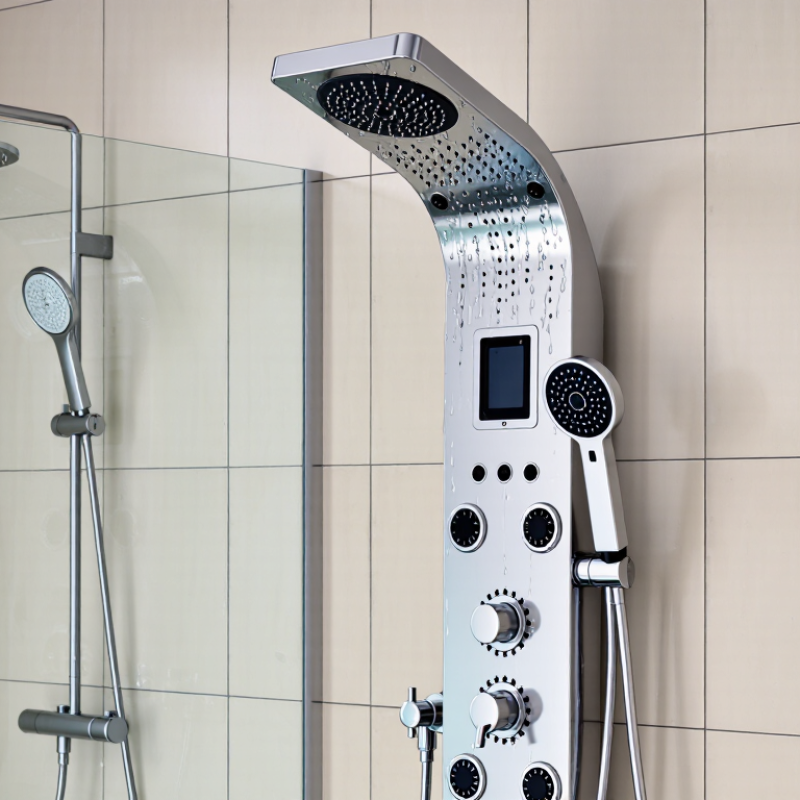
10 Tips for Buying Hydromassage Shower Panels?

Define Your Hydromassage Needs and Showering Preferences

Buying a hydromassage shower panel starts with your body, not the product photo. Think about where tension gathers: shoulders, lower back, or calves? After a long shift, I prefer a broad, gentle spray across my upper back. Someone with tired legs may want lower jets. Write down your preferred pressure, spray direction, session length, and temperature. Keep it practical.

A strong spray can feel refreshing, but it may irritate sensitive skin or feel harsh in a small enclosure. If two people share the shower, compare preferences honestly. Children, older adults, and anyone with limited balance may need steadier controls and fewer sudden changes. Check the controls from your normal standing position. They should work with wet hands, not just look attractive. This detail is easy to miss.

Consider your cleaning habits too. Small nozzles can collect mineral deposits, especially in hard-water areas. Ask whether the jets are easy to wipe and whether filters or seals need regular attention. I once focused too much on massage coverage and overlooked maintenance time. That was a useful mistake. Measure your shower space, check existing water pressure, and decide whether quiet operation matters. Your ideal panel should fit your daily routine, not force a new one.

10 Tips for Buying Hydromassage Shower Panels? - Define Your Hydromassage Needs and Showering Preferences

Tip Buying Dimension What to Check Useful Reference Data Why It Matters
1 Define Your Hydromassage Needs Decide whether you want targeted pressure for the shoulders and back, gentle relaxation, or full-body coverage. Common functions include body jets, a rain shower, a handheld shower, and a tub or foot-level outlet. A panel with many outlets may be unnecessary if you primarily prefer one targeted spray pattern.
2 Check Water Pressure Test the shower's static and operating water pressure before choosing a multi-jet system. Many residential systems operate around 40–60 psi, but actual pressure varies by building and plumbing layout. Several outlets running at once can produce weaker sprays when the home's flow or pressure is limited.
3 Compare Flow Rate Review the total flow rate and determine whether the listed rate applies to one outlet or several outlets operating together. In the United States, standard showerheads are generally limited to 2.5 gallons per minute (gpm) under federal rules; some efficient models use 2.0 gpm or less. Flow rate affects spray strength, water consumption, and the hot-water capacity required for comfortable showering.
4 Choose Preferred Spray Modes Look for independently adjustable jets, a wide overhead spray, a handheld spray, or massage and mist settings according to your routine. A practical configuration often includes 2–6 body jets plus one overhead or handheld outlet. Independent controls make it easier to direct water toward the neck, shoulders, lower back, or legs.
5 Measure the Shower Space Measure the wall width, available height, plumbing position, valve location, and clearance from the finished floor. Many wall panels are approximately 8–16 inches wide and 40–60 inches tall, but dimensions vary considerably. Accurate measurements help prevent interference with doors, shelves, grab bars, and existing pipe connections.
6 Verify Temperature Controls Check for a thermostatic valve, anti-scald protection, clear temperature markings, and separate flow and temperature controls. Many thermostatic shower valves are adjustable within roughly 20–50°C (68–122°F); installation limits may be lower. Stable temperature control improves comfort and helps reduce the risk of sudden hot-water changes.
7 Select Durable Materials Compare the panel body, outlets, seals, and control components for corrosion resistance and ease of cleaning. Common materials include stainless steel, brass, tempered glass, engineered stone, and plated metal components. Material quality influences resistance to moisture, mineral deposits, scratches, and long-term surface wear.
8 Plan for Cleaning and Maintenance Choose easy-clean nozzles, removable filters where available, accessible connections, and surfaces without unnecessary crevices. Silicone spray nozzles can usually be wiped to loosen mineral buildup; follow the manufacturer's cleaning instructions. Regular cleaning helps maintain spray quality and reduces buildup caused by hard water.
9 Consider Installation Requirements Confirm whether the panel connects to existing hot and cold supplies or requires new concealed plumbing and wall reinforcement. Installation may involve 1/2-inch supply connections in many residential systems, but local standards and product specifications differ. A panel that does not match the existing plumbing can require additional labor, wall access, or waterproofing work.
10 Match Accessibility and Comfort Needs Check handheld height adjustment, control reach, anti-slip conditions, seat compatibility, and the position of any grab bars. A handheld shower on a sliding rail can support different user heights; exact mounting height should suit the household. Adjustable controls and reachable sprays make the shower more comfortable for children, older adults, and users with limited mobility.

Note: Flow rates, connection sizes, operating pressure, dimensions, and temperature limits vary by product and local plumbing codes. Always confirm the technical specifications and installation requirements before purchase.

Check Panel Features, Spray Settings, and Massage Functions

A hydromassage shower panel should match your daily routine, not merely look impressive. I check the panel’s construction, controls, and spray coverage before considering its appearance. Solid metal fittings usually feel more dependable than lightweight plastic parts. However, heavier does not always mean better. Inspect the connections and read the installation requirements carefully.

Spray settings deserve hands-on attention. Look for a rain outlet, focused body jets, and a handheld sprayer with a flexible hose. Adjustable nozzles help direct water toward the shoulders, back, or legs. Some models offer mist, pulse, or wide-flow patterns. Test the controls if possible. A switch that feels stiff may become frustrating with wet hands. I also prefer silicone nozzles because mineral buildup can often be removed with a simple rub. This is not a perfect solution, especially in hard-water areas.

Massage functions should provide comfortable pressure rather than painful force. Compare the jet angles and spacing, since poorly positioned outlets can miss the muscles completely. Check whether several functions can run together without sharply reducing water flow. Your existing plumbing matters here. One panel may perform differently in another bathroom. I once focused too much on the number of jets and overlooked the handheld reach. That small mistake changed the shower’s convenience. Choose clear temperature controls, secure mounting, and settings you will genuinely use.

Measure Your Shower Space and Confirm Installation Requirements

Before buying a hydromassage shower panel, measure the finished shower space carefully. Record the wall width, ceiling height, and available depth. Do not measure only the open wall area. Include tile thickness, trim, doors, and the showerhead position. A panel may fit on paper but block the door in practice.

Use a tape measure and a simple cardboard template. It can reveal awkward clearances near shelves or glass. Check the existing hot and cold water outlets, their spacing, and their height from the floor. Confirm the household water pressure meets the panel’s technical requirements. Low pressure may weaken the massage jets. Too much pressure can also create problems.

Read the installation manual before purchasing. Look for required pipe sizes, shutoff valves, wall support, and drainage capacity. Some models need electrical power for digital controls, lighting, or thermostatic features. Never place electrical connections where water can reach them. Local building rules may require a licensed plumber or electrician. I once underestimated the wall depth by a few centimeters, which forced an expensive adjustment. That mistake still matters. Measure twice. Ask a qualified installer to inspect hidden pipes, wall strength, and waterproofing before drilling. A neat surface cannot compensate for unsafe connections or poor drainage.

Compare Materials, Water Pressure, Controls, and Energy Use

Buying a hydromassage shower panel requires more than admiring its shiny finish. Stainless steel resists moisture and feels sturdy, while tempered glass offers a cleaner appearance but needs careful handling. Some coated metals look attractive yet may scratch around the controls. Tap the panel gently and inspect its seams, joints, and mounting hardware. I once overlooked a narrow access panel, and installation became unnecessarily difficult.

Water pressure deserves practical attention. A panel with several jets may perform poorly when household pressure is weak. Ask for the required flow rate and compare it with your home’s measured pressure. A pressure-balancing valve can help maintain a steadier temperature when another tap runs. Test the spray direction, too. Shoulder jets should reach comfortably, not strike your neck like hard pellets.

Controls should be readable with wet hands. Large, textured knobs are often safer than tiny touch buttons. Thermostatic controls may reduce sudden temperature changes, especially in busy homes. Energy use also matters. A lower-flow showerhead can reduce hot-water demand, although the spray may feel less forceful. Check whether separate jets can be switched off individually. That small feature can prevent waste. I prefer clear mechanical controls, but this is partly personal judgment. Electronic features sound convenient, yet they may add maintenance concerns in humid bathrooms. Check the warranty terms, replacement parts, and cleaning instructions before choosing.

Review Safety, Maintenance, Warranty, and Overall Value

Tip 1:

Treat safety as a daily requirement, not a feature list. Choose a panel with stable temperature control and pressure limits. Check that electrical components suit wet locations and local installation requirements. A licensed professional should handle electrical connections. Test the water before stepping in. Small temperature changes can feel severe on wet skin.

Tip 2:

Inspect maintenance access before buying. Removable filters, reachable seals, and easy-to-clean nozzles reduce future frustration. Hard water may leave white mineral deposits around spray openings. Wipe those areas regularly with a manufacturer-approved cleaner. Avoid harsh chemicals that could weaken rubber parts or finishes. I once focused too much on spray settings; cleaning access mattered more than expected. It is easy to overlook.

Tip 3:

Read the warranty in detail, including exclusions. Confirm coverage for the valve, hoses, seals, finish, labor, and replacement parts. Check whether professional installation or proof of purchase is required. Keep photographs and installation records. For overall value, compare water use, repair access, construction quality, and comfort. A lower purchase price may become expensive after one difficult repair. More sprays do not always mean a better shower.

FAQS

How should I choose massage coverage for my shower?

Start with your body, not the product photo. Note where tension gathers, such as shoulders, lower back, or calves. Choose broad spray for the upper back or lower jets for tired legs. Write down your preferred pressure, direction, session length, and temperature.

What pressure is suitable for sensitive skin?

Strong spray can feel refreshing, but it may irritate sensitive skin. A smaller enclosure can make forceful water feel harsh. Choose adjustable pressure and test the gentlest setting. Comfort matters more than intensity.

What should shared households consider?

Compare everyone’s preferences before choosing the panel. Children and older adults may need steady controls and fewer sudden changes. People with limited balance may prefer simple temperature adjustments. The best setting for one person may not suit another.

How can I check whether the controls are practical?

Stand where you normally shower and reach the controls. They should work with wet hands. A stiff switch can become frustrating quickly. Good appearance is not enough.

Which spray features are useful for daily showers?

Useful options may include rain spray, focused body jets, and a handheld sprayer. A flexible hose can reach shoulders, legs, and difficult corners. Adjustable nozzles help redirect water. Mist and pulse settings are optional, not essential.

How can I reduce cleaning problems?

Small nozzles can collect mineral deposits in hard-water areas. Silicone nozzles are often easier to clean by rubbing them gently. Check whether jets are easy to wipe. Filters and seals may still need regular attention. I once ignored maintenance time.

Does water pressure affect massage performance?

Yes. Existing plumbing can change how strongly the jets work. Low pressure may weaken massage functions. Excessive pressure can also create problems. Check the household pressure before buying. The same panel may perform differently elsewhere.

What measurements should I take before installation?

Measure wall width, ceiling height, and available depth. Include tile thickness, trim, doors, and the existing showerhead position. Check hot and cold outlet spacing and height. A cardboard template can reveal awkward clearances near shelves or glass.

What installation and safety details require attention?

Read the installation requirements before purchasing. Check pipe sizes, shutoff valves, wall support, and drainage capacity. Some controls may require electrical power. Keep electrical connections away from water. A qualified installer should inspect hidden pipes, waterproofing, and wall strength. Measure twice.

Conclusion

Choosing the right Hydromassage Shower Panels begins with understanding your personal showering needs, including preferred spray patterns, massage intensity, and daily water-use habits. Compare available spray settings, body jets, handheld functions, and controls to find a panel that delivers comfort without unnecessary complexity. Before purchasing, carefully measure your shower area and confirm wall structure, plumbing connections, water pressure, drainage, and electrical requirements if applicable.

Material quality, pressure compatibility, and energy efficiency also affect long-term satisfaction. Look for durable, moisture-resistant construction and controls that are easy to operate and clean. Consider how often the nozzles, filters, and surfaces will need maintenance, and check the warranty terms for useful coverage. A good purchase should balance performance, installation demands, safety features, upkeep, and total cost rather than focusing only on appearance or the number of jets. Evaluating these factors together will help you select a reliable panel that suits both your bathroom and your showering preferences.

Arthur

Arthur

Arthur is a dedicated marketing professional with a strong understanding of the company’s products, services, and long-term business vision. Through years of experience in market research, content strategy, and customer communication, he has developed the ability to translate complex product......