
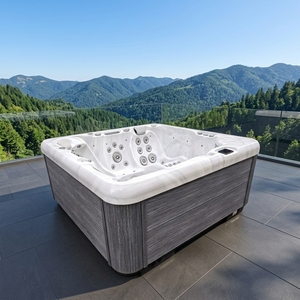
Direct From OEM Manufacturing Hubs
Featured Solid Surface & Acrylic Spa Bathtub Models
Engineered for five-star hotel developments, luxury apartment projects, and international sanitaryware distributors. Fully compliant with cUPC, CE, and EN14516 structural standards.
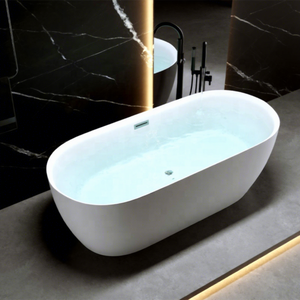
Factory Manufacturer High Quality Oval Shape Porcelain White Freestanding Soaking Acrylic Bathtub
Send an Inquiry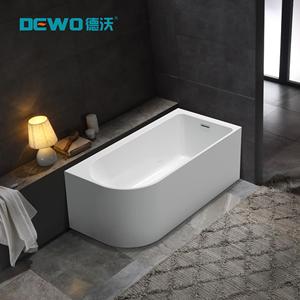
Small Acrylic Shower Bathtub for Indoor Bathroom Apartment Hotel Villa Soaking Romantic Corner Freestanding Fluted Support
Send an Inquiry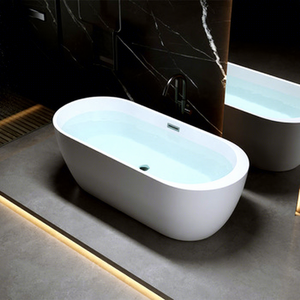
Wholesale Bathroom Modern White Acrylic Oval Soaking Standalone Bathtubs
Send an Inquiry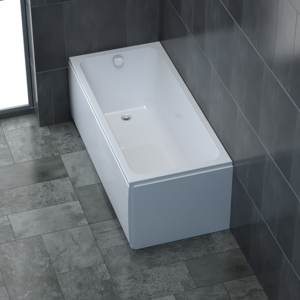
Acrylic Drop-in Tubs Rectangle Bathtubs Modern Style Soaking Bathtub with CE/cUPC for Bathroom Bathtub
Send an Inquiry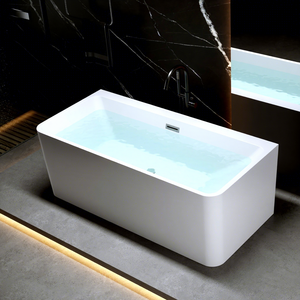
High Quality Hotel Luxury White Rectangle Acrylic Soaking Standalone Bathtub
Send an Inquiry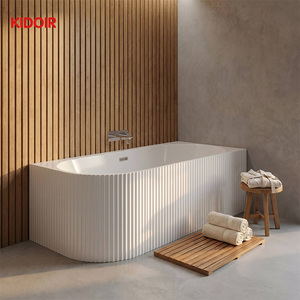
Kidoir Acrylic Freestanding Soaking Bathtub Fluted Textured Exterior Luxury Spa Style Wholesale OEM Available for Bathroom
Send an Inquiry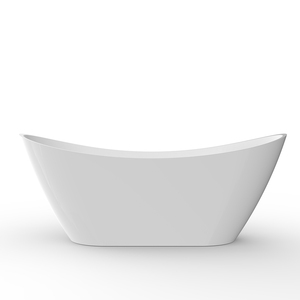
Modern Design Freestanding Acrylic Bathtub Stackable With Soaking Function For Hotel Use
Send an Inquiry65%
High-Purity ATH Content
≥60°
Barcol Hardness Rating
40+
Global Export Markets
100%
Vacuum Deaerated Casting
Decoding China Solid Surface Bathtub Manufacturing: Chemistry, Polymer Formulations, and Structural Integrity
The global luxury sanitaryware landscape has undergone a radical material transition over the past decade. Traditional cast iron bathtubs present extreme weight penalties and thermal loss, while pure acrylic shell bathtubs often lack the tactile luxury, structural density, and long-term dimensional stability required by high-end hospitality brands and architectural developers. China wholesale solid surface bathtubs factories have stepped into this technological gap, establishing themselves as the premier manufacturing hubs for engineered stone resin bathware.
Solid surface material—frequently categorized as stone resin, composite stone, or mineral cast—is a composite matrix comprised of natural mineral fillers bound by high-performance resin polymer systems. The fundamental quality of a solid surface bathtub is determined by the precise stoichiometric ratio of three core components: Alumina Trihydrate (ATH), resin binder matrix, and specialized stabilization additives.
Technical Information Gain: ATH vs. Calcium Carbonate Fillers
Tier-1 Chinese manufacturers utilize refined Alumina Trihydrate (ATH - Al(OH)3) at a 65% weight ratio. Premium ATH provides exceptional fire retardancy, superior stain resistance, translucent quartz-like aesthetics, and a silky tactile finish. Low-cost manufacturers often substitute ATH with raw Calcium Carbonate (chalk powder), resulting in micro-porous structures prone to yellowing, water absorption failure (>0.5%), and thermal shock cracking.
1. Resin Matrix Formulation: MMA vs. ISO-NPG Polyester Systems
The binding agent dictates the flexural strength, UV resistance index (ΔE < 1.5 over 10 years), and chemical resistance of the solid bathtub. Top-tier factories utilize two primary resin formulations:
Polymethyl Methacrylate (PMMA / Pure Acrylic Resin): Offering non-porous surface integrity, zero water absorption, maximum UV stability, and complete renewable repairability. PMMA solid surface tubs maintain color stability even in high-ultraviolet resort environments.
Isophthalic-Neopentyl Glycol (ISO-NPG) Unsaturated Polyester Resin: Combined with high-purity ATH, ISO-NPG resins deliver exceptional thermal shock resistance (capable of enduring repeated temperature fluctuations between 85°C and 15°C without micro-fracturing) and outstanding Barcol hardness (≥60).
5-Axis CNC Aluminum Tooling
Master molds crafted from high-grade aluminum alloys using 5-axis CNC routers guarantee dimensional tolerances within ±0.5mm, ensuring seamless drop-in and freestanding fitment.
Vacuum Deaeration Casting
Continuous high-vacuum mixing chambers strip air bubbles down to <0.01 micron bubbles before injection, completely eliminating interior void defects and micro-surface pitting.
Curing & Thermal Annealing
Precision temperature-controlled curing ovens subject tubs to a 4-stage thermal curing process over 24 hours, stabilizing polymer cross-linking for lifetime structural stability.
Global Procurement & Procurement Trends: What B2B Buyers Must Prepare For (2025–2030)
As international commercial real estate developers, hotel procurement groups, and luxury bathware distributors evaluate their supply chains, sourcing from China wholesale solid surface bathtub factories requires a forward-looking perspective on material compliance, eco-sustainability, and spatial design trends.
Trend 1: Micro-Texture & Bio-Inspired Tactile Finishes
While ultra-smooth porcelain white remains a baseline standard, luxury developments are rapidly shifting toward organic matte textures. Advanced Chinese OEM factories now offer custom fluted exteriors, tactile micro-velvet sandblasted finishes, and multi-tone dual-color castings (e.g., matte black exterior paired with seamless velvet white interior). These designs require zero post-spray gelcoats; the color is solid throughout the entire cross-section of the vessel.
Trend 2: Lightweight Solid Surface (Hollow-Core & Foam-Core Composites)
Standard solid surface bathtubs weigh between 120kg and 180kg dry. Heavy shipping loads increase container ocean freight costs and create floor loading challenges for high-rise apartment construction. Innovations in Chinese factory production line engineering have introduced structural hollow-core casting and lightened composite mineral matrices, reducing overall vessel weight by 25% to 35% without sacrificing wall density or acoustic dampening performance.
Trend 3: Integrated Hydrotherapy & Smart Chromotherapy Integration
Modern commercial spa buyers demand the integration of discreet hydro-massage jets, thermostatic maintenance heating, and ambient chromotherapy lighting within solid surface bodies. Leading Chinese suppliers are engineering hidden rim overflows, ultra-flat stainless steel micro-jets, and touchless digital control interfaces directly into the cast resin body during the primary mold phase.
Trend 4: Circular Economy & Recyclable Bio-Resins
ESG procurement mandates in Europe and North America are forcing brands to inspect raw material origin. Top-tier Chinese manufacturers are introducing bio-based unsaturated resins derived from renewable plant oils, alongside post-industrial recycled solid surface regrind powders, achieving up to 30% recycled content compliance for LEED-certified commercial building projects.
Enterprise OEM / ODM Manufacturing Strengths & Quality Control Protocols
Sourcing directly from a verified Chinese solid surface bathtub manufacturer eliminates intermediary distributor margins while granting architectural buyers direct control over dimensional specifications, drain placements, and customized surface branding. However, maintaining strict quality assurance across multi-container shipments requires rigorous factory-floor testing protocols.
Standard Manufacturing Quality Assurance (QA) Checklist:
1. Barcol Hardness Measurement: Every bathtub casing undergoes multi-point indentation testing following post-oven curing. Hardness ratings must meet or exceed 60 Barcol to guarantee scratch resistance and structural rigidity under full load capacities.
2. Thermal Shock Cycling (EN 14516 Standard): Test samples are subjected to 1,000 continuous cycles of alternating hot water (75°C) and cold water (15°C). Zero micro-crazing, surface stress cracking, or resin delamination is tolerated.
3. Dye Stain & Chemical Resistance Testing: Industrial staining agents (methylene blue, iodine, concentrated hair dyes, household bleaches) are applied to the surface for 24 hours. Full stain removal via standard non-abrasive household cleaners verifies zero micro-porosity.
4. Hydrostatic & Load Bearing Testing: Tubs are filled to full rim capacity with water and loaded with a 300kg static weight for 4 hours to verify zero floor flexing, structural deformation, or drain flange stress fractures.
B2B Procurement FAQs
Frequently Asked Questions for Global Wholesale Buyers
Q:
What is the Minimum Order Quantity (MOQ) for custom OEM solid surface bathtubs?
For standard factory catalog designs, our baseline MOQ starts at 5 to 10 units per SKU, making mixed-container shipments highly flexible for regional wholesalers. For fully custom 3D design molds (OEM), the initial production run minimum is typically 20 units, with custom mold tooling costs amortized or fully refunded upon achieving agreed container volume thresholds.
Q:
How do solid surface bathtubs compare to acrylic bathtubs regarding repairability and maintenance?
Unlike traditional acrylic bathtubs—which feature a thin surface sheet backed by fiberglass and cannot be easily repaired if deeply scratched—solid surface bathtubs are homogenous materials all the way through. Scratches, cigarette burns, or stubborn stains can be completely erased by sanding the affected area with 800-to-1500 grit sandpaper and buffing with a standard polishing compound to restore a brand-new matte or glossy finish.
Q:
What international quality certifications do your solid surface factories hold?
Our manufacturing facilities operate under ISO 9001:2015 Quality Management and ISO 14001 Environmental Standards. Product lines hold comprehensive international approvals, including North American cUPC (IAPMO) certification, European CE compliance under EN 14516 (domestic baths), and REACH chemical safety compliance.
Q:
What is the typical lead time for full container load (FCL) orders?
Standard lead time for a 40-foot High Cube (40'HQ) container containing 35 to 55 solid surface bathtubs is 25 to 35 calendar days from deposit confirmation and technical drawing approval. For rapid project timelines, high-volume catalog SKUs are maintained in un-finished raw stock, reducing lead times to under 15 days.
Q:
How are fragile stone resin bathtubs packaged to prevent ocean transit damage?
Export shipments utilize heavy-duty 5-layer corrugated honeycomb cardboard enclosing custom-molded high-density EPE foam cradles. Each bathtub is sealed in a 0.08mm anti-scratch PE bag. For LCL shipments or high-risk maritime routes, vessels are crated inside ISPM-15 compliant fumigated plywood wooden crates with corner reinforcement guards.
Q:
Can the factory customize overflow slots, drain finishes, and integrated faucet holes?
Yes. All solid surface models can be configured with integrated slot overflows, circular pop-up drains in matching solid surface matte white, brushed brass, matte black, or chrome finishes, as well as pre-drilled tap platforms or deck-mounted faucet holes customized to project architectural specs.
Ready to Elevate Your Wholesale Bathware Portfolio?
Contact our senior engineering and export department today for comprehensive product catalogs, OEM mold prototyping estimates, and competitive container FOB pricing.