Featured Commercial & Architectural Countertop Basins
Explore our precision-engineered solid surface, stone composite, and designer ceramic basin solutions crafted for high-end residential, hotel, and commercial developments.
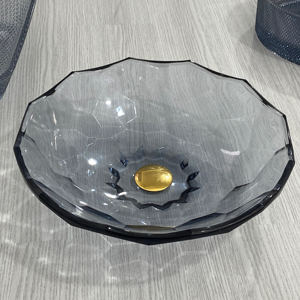
Modern Luxury Glass Basin Round Black Countertop Bathroom Sink Above Counter Mount Installation
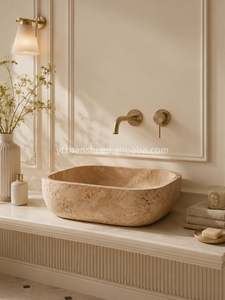
Natural Modern Travertine Marble Stone Rectangle Shape Polished Countertop Hand Wash Sink Custom Size
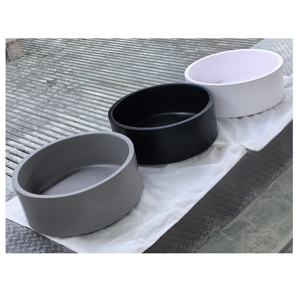
Matte White Round Solid Surface Hotel Hand Wash Basin Above-Counter Wash Sink Artificial Stone Resin
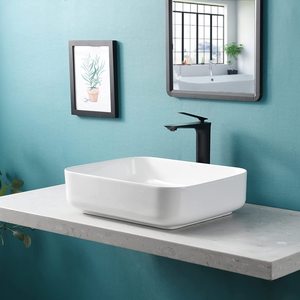
Modern Lavabo Ceramic Countertop Art Basin Glossy White Rectangle Hand Wash Bathroom Sink
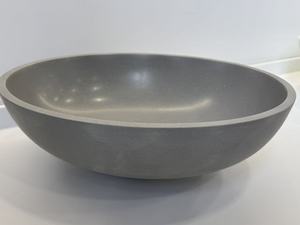
Modern Design Vanity Solid Surface Bathroom Basin Sink Countertop Hand Wash Basin
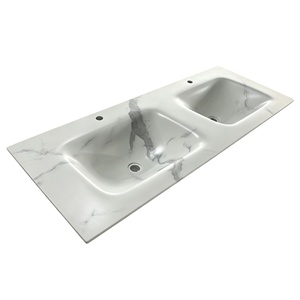
Custom Modern Calacatta White Marble Look Sintered Stone Countertop Double Sink Basin
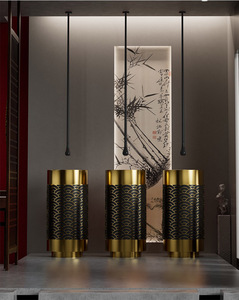
Modern Design Stainless Steel 304 One Piece Solid Surface Countertop Basin
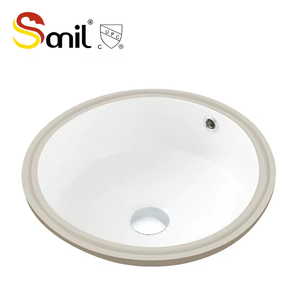
Modern Recessed Undermount Ceramic Oval Wash Basin Sink with Self-Cleaning Glaze
Engineering Authority: B2B Solid Surface Countertop Basin OEM/ODM Excellence
In the global sanitaryware ecosystem, specifying high-performance solid surface countertop basins requires a synthesis of material science, precision tooling, and strict quality assurance protocols. As an industry-leading OEM/ODM manufacturer backed by over two decades of design heritage, our manufacturing facility serves international distributors, hospitality procurement groups, and architectural specification teams across more than 40 countries worldwide.
Our industrial infrastructure encompasses state-of-the-art polymer casting lines, automated CNC mold milling centers, vacuum thermoforming machinery, and post-cure thermal tempering chambers. Whether developing bespoke vessel sinks for five-star hotel developments or mass-producing standardized countertop basins for multi-residential real estate projects, our engineering team ensures absolute dimensional accuracy, pristine surface finishes, and full compliance with international standards including EN 14688, CE, cUPC, and ISO 9001.
Custom Tooling & Rapid Prototyping
Our in-house mold engineering division transforms CAD/BIM models into high-density aluminum or fiberglass production tooling in as few as 14 business days, guaranteeing sub-millimeter tolerances.
Advanced Polymer Chemistry
We utilize premium Aluminum Trihydrate (ATH) fillers blended with pure Polymethyl Methacrylate (PMMA) acrylic resins, achieving a Barcol hardness exceeding 58 and superior resistance to thermal shock.
Global Logistics & Project Support
Engineered packaging systems designed for drop-ship reliability, container-load optimization, and zero-defect transit safety across cross-border freight corridors.
Material Science Breakdown: Solid Surface vs. Alternative Basin Substrates
Selecting the optimal washbasin material for commercial environments requires evaluating mechanical strength, maintenance overhead, aesthetic customization, and long-term total cost of ownership (TCO). The data matrix below provides a comparative analysis of modern solid surface artificial stone against traditional sanitary ceramics, sintered stone, and natural marble.
| Performance Characteristic | Pure Acrylic Solid Surface (PMMA+ATH) | Modified Resin Solid Surface | Sanitary Ceramic (Vitreous China) | Natural Travertine / Marble |
|---|---|---|---|---|
| Porosity & Water Absorption | < 0.04% (Non-porous) | < 0.1% (Low porosity) | < 0.5% (Glazed only) | 1.0% - 5.0% (Highly porous) |
| Joint & Seam Integration | 100% Inconspicuous / Seamless | Visible Seams Required | Grout Lines Required | Seamed Grout Joints |
| Impact Resistance (Izod) | High (> 18 J/m) | Moderate (12 - 15 J/m) | Low (Brittle, prone to chipping) | Low to Moderate (Fissure prone) |
| Surface Repairability | 100% Renewable & Sandable | Limited Repairability | Irreparable if Chipped/Cracked | Complex Resin Filling |
| Stain & Chemical Resistance | Exceptional (ISO 19712 Pass) | Good (Prone to strong solvents) | Excellent (Acid resistant) | Poor (Etches with acidic agents) |
| Color Consistency (Delta E) | Batch Consistency < 0.5 | Batch Consistency < 1.2 | Slight Kiln Variation | High Natural Variation |
*Data compiled from standardized laboratory testing under ISO 19712-2, ASTM D256, and EN 14688 protocol standards.*
Future Product Development & Material Science Trends (2025–2030)
The global luxury sanitaryware landscape is experiencing a paradigm shift driven by technological innovations in material formulation, surface treatments, and architectural integration. B2B buyers and project specifiers must align with these macro trends to maintain a competitive market positioning.
1. Super-Matte & Soft-Touch Chemistries
Modern architectural interior aesthetics are favoring low-gloss, velvety tactile finishes. Micro-textured nano-curing resins are now deployed during the post-casting cure phase to achieve sheen levels below 5 GU (Gloss Units), providing an ultra-matte surface that natively resists oily fingerprints, mineral buildup, and light reflection.
2. Ultra-Thin Edge Tooling (< 6mm Profiles)
Advancements in high-density aluminum tooling and vacuum casting pressure have overcome traditional structural thickness constraints. Countertop basins can now feature crisp, micro-radius rim profiles under 6mm in thickness without compromising structural integrity or flexural strength under heavy commercial usage.
3. Biophilic Color Palettes & Veined Aesthetics
Beyond classic matte white, automated multi-pigment injection systems allow manufacturers to replicate complex natural veining, travertine patterns, and concrete textures within solid surface matrixes. This offers the organic aesthetic of natural stone paired with the non-porous hygiene of acrylic polymers.
4. Antibacterial Nano-Silver Integration
Post-pandemic commercial healthcare and luxury hospitality developments demand active surface sanitation. Infusing silver-ion antimicrobial agents directly into the polymer resin matrix ensures permanent, non-leaching protection that inhibits 99.9% of bacterial growth (E. coli, S. aureus) over the entire product lifecycle.
Strategic B2B Procurement Trends for International Buyers
Procurement directors, wholesale importers, and contract furniture manufacturers are re-engineering their supply chain strategies to adapt to shifting economic and environmental regulatory frameworks. Understanding these strategic purchasing drivers ensures optimized sourcing efficiency and reduced operational friction.
ESG & Low-VOC Manufacturing
EU and North American building standards require zero-styrene emission casting methods and recycled resin content (up to 30% post-industrial acrylic blend) to earn LEED and BREEAM project certification credits.
Modular Pod Integration
Commercial developers are opting for pre-fabricated bathroom pods. OEM factories must offer monolithic countertop-and-basin integrations cut to exact off-site construction tolerances.
Private Label Branding
Importers prioritize OEM partners capable of direct laser-etched branding, customized drain cover casting, and eco-friendly custom retail boxes optimized for e-commerce drop-shipping.
Agile MOQ & SKU Mixing
To optimize inventory turnover, buyers seek manufacturers offering consolidated container shipments combining solid surface sinks, freestanding tubs, and matching sanitaryware accessories.
Frequently Asked Questions (FAQ) for B2B Purchasing & OEM Manufacturing
Address key technical, commercial, and operational parameters involved in procuring solid surface countertop basins from our factory facility.
What is the structural difference between Pure Acrylic and Modified Acrylic solid surface basins?
Pure Acrylic solid surface is manufactured using 100% PMMA resin combined with Aluminum Trihydrate (ATH). It exhibits superior thermal resistance, zero yellowing over time (UV stable), higher flexibility for thermoforming, and complete repairability. Modified Acrylic blends PMMA with polyester resins; while more cost-effective for budget projects, it offers slightly lower impact strength and UV resistance compared to pure acrylic.
What is the typical Minimum Order Quantity (MOQ) for custom OEM basin tooling?
For standard catalog models, our baseline MOQ starts at 20 units per SKU to facilitate container loading efficiency. For fully custom OEM designs requiring new aluminum tooling, our standard development threshold is typically 50 to 100 units depending on basin dimensions, with sample prototype tooling costs fully amortized against production orders once volume thresholds are reached.
How do you test yellowing and UV resistance in matte white solid surface basins?
All production batches undergo accelerated weathering tests in Xenon arc test chambers under ASTM G154 protocols for 1,000 continuous hours. Our proprietary UV-stabilized resin formulation maintains a Delta E (ΔE) color variance of less than 1.0, ensuring that matte white countertop basins retain their pristine hue even when exposed to direct sunlight in open-concept bathspaces.
Are your solid surface basins compliant with North American cUPC and European CE standards?
Yes, our entire solid surface basin product line is engineered and certified to meet or exceed CSA B45.5 / IAPMO Z124 standards for North America (cUPC certification) as well as EN 14688 specifications for European CE compliance. We provide full technical compliance documentation, load-bearing test reports, and chemical resistance certificates upon contract signing.
What custom finishing options are available for countertop and vessel basins?
We offer extensive customization including matte finish (gloss level 5-10%), semi-gloss polished (30-40%), custom RAL color matching, integrated solid surface popup drains, undermount mounting slots, pre-drilled tap hole configurations (single, dual, or zero-hole wall-mount configurations), and laser-engraved corporate branding.
How are minor scratches, stains, or cigarette burns repaired on installed solid surface sinks?
Because solid surface is a homogeneous, non-porous material throughout its entire thickness, surface blemishes can be completely renewed on-site. Light scratches or stubborn stains can be buffed out using a fine Scotch-Brite™ abrasive pad followed by light sanding with 800-1200 grit sandpaper, restoring the original factory sheen without compromising structural integrity.
What packaging protection methods are deployed for international sea freight and e-commerce distribution?
We implement a heavy-duty 5-layer corrugated export carton system enhanced with custom-molded high-density Polyethylene (PE) corner blocks, full-body bubble wrap sealing, and reinforced wooden pallets or crates for LCL shipments. Our packaging configurations pass ISTA-1A drop testing protocols to guarantee zero transit damage for global distribution.
What is the lead time for OEM mold creation, prototyping, and mass production delivery?
Initial 3D CAD modeling and mold simulation are completed within 3–5 business days. Aluminum prototype mold manufacturing and initial physical sample dispatch require 14–18 days. Once prototype approval is confirmed, full mass production lead times average 25–30 days for full container load (FCL) shipments.
Partner with a Leading Solid Surface Basin Factory
Elevate your product portfolio with precision-engineered, customizable countertop washbasins built to international quality standards. Request custom tooling quotes, CAD files, or physical material samples today.