
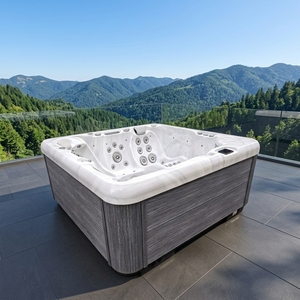
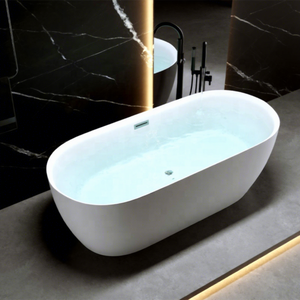
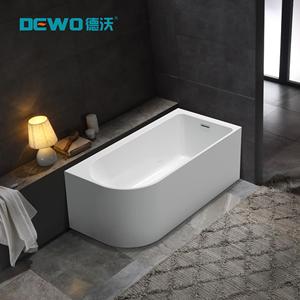
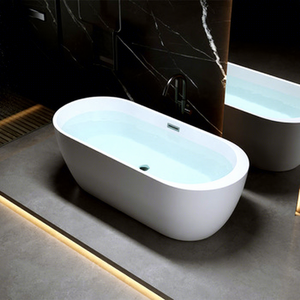
Featured Commercial & Residential Outdoor Hydrotherapy Systems
Selected high-performance hydrotherapy and soaking spa units engineered for rapid B2B deployment across Nagoya, Aichi Prefecture, and the Chubu economic region. Optimized for thermal insulation, voltage safety, and spatial flexibility.
1. Executive Summary & Nagoya Regional Market Demand Analysis
The urban landscape of Nagoya—spanning key commercial and residential nodes such as Sakae, Meieki, Naka Ward, and the surrounding Aichi Prefecture—is witnessing a paradigm shift in wellness architecture. As Japan’s third-largest economic hub, Nagoya combines dense modern metropolitan real estate with a deep-rooted cultural reverence for thermal bathing (Onsen & Toji rituals). In recent years, commercial hospitality operators, luxury boutique hoteliers, and residential property developers have faced an evolving challenge: how to deliver private, high-end hydrotherapy outdoor spa experiences within strict urban spatial boundaries, structural weight capacities, and stringent Japanese building codes.
Traditional permanent acrylic hot tubs and concrete plunge pools present severe logistical friction in Nagoya’s urban core. Crane hoisting costs in high-density districts like Sakae can exceed standard equipment budgets, while floor load restrictions in multi-story penthouses often preclude heavy static stone installations. This technical bottleneck has driven the rapid adoption of premium inflatable outdoor spas and portable acrylic hybrid soaking systems. Modern drop-stitch inflatable tech provides structural rigidity comparable to rigid shells while offering zero-crane maneuverability, modular storage, and rapid ROI for commercial operators.
From a climate standpoint, Greater Nagoya experiences dramatic seasonal thermal swings—from humid summer months exceeding 35°C to freezing winter winds originating from the Chubu mountain range (Ibuki-oroshi). Consequently, procurement directors evaluating inflatable outdoor spa manufacturers serving the Nagoya market must prioritize advanced thermal conservation, electrical compatibility with the Chubu Electric Power grid (60Hz frequency), and compliance with the strict Japanese Public Bathhouse Act (公衆浴場法) when deploying units for commercial guest usage.
High-Density Drop-Stitch Core
Engineered with thousands of interlocking polyester threads, achieving internal pressures up to 15 PSI for rigid, flex-free sidewalls that support heavy commercial load capacity without sagging.
Chubu 60Hz Power Architecture
Custom-built electrical assemblies designed specifically for Nagoya’s single-phase 100V domestic and 200V commercial 60Hz grid requirements, featuring PSE-ready isolation transformers.
Freeze Shield Thermal Barrier
Automated PTC ceramic heating algorithms prevent water stagnation and pipe freezing during extreme Chubu winter temperatures, preserving pump integrity down to -15°C.
2. Technical Engineering & Localized Manufacturing Standards
Selecting a B2B supplier for the Nagoya market requires rigorous technical evaluation far beyond consumer-grade aesthetics. Commercial viability hinges on engineering durability, energy efficiency metrics, and water sanitation protocols tailored to Japanese municipal guidelines.
A. Chubu Grid Electrical Integration (100V / 200V 60Hz Specifications)
Japan’s power grid is divided by region: Eastern Japan operates at 50Hz, whereas Western Japan including Nagoya and Aichi Prefecture operates strictly at 60Hz. Importing off-the-shelf 50Hz European or North American spa pumps into Nagoya results in motor overheating, pump cavitation, flow rate degradation of up to 20%, and premature component failure. Our OEM manufacturing facility crafts custom pump impellers and circulation systems specifically tuned for 60Hz frequency curves, ensuring optimal water flow dynamics and energy conservation.
B. Thermal Efficiency & Heat Loss Prevention in Winter
Energy costs in Japan represent a major operational expense for commercial operators. To maintain a constant 40°C thermal bath during Nagoya winters without excessive power draw, our inflatable outdoor spas utilize a multi-tiered thermal insulation strategy:
| Thermal Component | Standard Inflatable Spas | Our Nagoya-Spec Industrial Spas | B2B Operational Benefit |
|---|---|---|---|
| Wall Insulation | Single-layer 0.6mm PVC | Triple-layer drop-stitch + aluminum foil thermal mesh | Reduces ambient heat loss by up to 42% |
| Cover Thermal Core | Uninsulated air bladder | High-density EPS foam core with inflatable marine leather cover | Prevents top thermal radiance escape in sub-zero winds |
| Base Protection | Thin ground sheet | 10mm EVA high-density thermal barrier matting | Blocks ground heat conduction into concrete/stone subfloors |
| Heating Element | Standard Stainless Steel Coil | PTC Titanium Ceramic Heater with Anti-Scale Coating | Rapid heat recovery time with zero scale buildup in mineral water |
C. Water Hygiene & Sanitation Infrastructure
Commercial installations in Aichi boutique hotels or public bath facilities must comply with strict water sanitation protocols to prevent *Legionella* bacteria proliferation. Our inflatable spa platforms integrate dual-stage sanitization modules combining Ozone (O3) generation with inline UV-C micro-sterilization. This dual system neutralizes 99.9% of waterborne pathogens while reducing chemical chlorine dependency, aligning with Japanese preferences for soft, low-odor bathing environments.
3. Localized Application Scenarios Across Greater Nagoya & Aichi
Understanding the exact physical setting of installation is essential for optimizing procurement decisions. Below are the primary deployment scenarios driving demand across the Nagoya metropolitan region:
Urban Rooftop Penthouses in Sakae & Naka Ward
Nagoya’s luxury residential developments in Sakae increasingly feature outdoor terrace living. Structural weight constraints limit permanent stone installations. Inflatable outdoor spas provide an elegant solution: deflated weight under 45kg allows transport via standard passenger elevators, while inflated water volume distributes weight evenly across structural slab tolerances. Ultra-quiet pump systems (<42dB) ensure noise compliance in dense urban residential zones.
Traditional Ryokan Upgrades in Inuyama & Korankei
Historic hot spring inns in regional Aichi destinations seek to modernize their guest offerings by adding private outdoor hydrotherapy to traditional rooms. Inflatable square and oval spas can be seamlessly retrofitted into existing cedar decks without structural alteration, creating instant premium room upgrades that command 30-50% higher nightly rates.
Glamping & Coastal Resorts in Chita Peninsula
Along the Chita Peninsula and Mikawa Bay, experiential glamping resorts require durable, weather-resistant hydrotherapy units capable of standing up to saline ocean breeze environments. Our reinforced UV-stabilized PVC outer skins resist salt-spray oxidation, while portable drop-stitch spas can be winterized or relocated during extreme typhoon seasons.
4. Local Market Trends Shaping Outdoor Spa Procurement in Chubu
As Nagoya prepares for expanded international business transit and high-tech infrastructure expansions (such as the Chuo Shinkansen maglev development), the local hospitality landscape is rapidly modernizing. Three key trends define current B2B purchasing behavior:
1. Eco-Centric Thermal Efficiency: With Japanese electricity prices subject to global energy market fluctuations, commercial procurement managers in Nagoya heavily scrutinize watt-per-hour consumption figures. Suppliers offering intelligent eco-mode timers, targeted micro-jet hydrodynamics, and superior R-value insulation covers gain a decisive competitive advantage.
2. Wellness Tourism & Private Bathing Privacy: Post-pandemic travel behaviors have accelerated guest preference for private in-room wellness over shared communal public baths. Inflatable and portable spa systems allow hotel operators to convert underutilized exterior balconies or courtyard spaces into private revenue-generating spa zones with minimal capital expenditure.
3. Modular & Scalable Fleet Deployment: Event venues, seasonal pop-up resorts, and rental villa networks across Aichi Prefecture require flexible equipment assets. Portable inflatable spas can be deployed during high-occupancy seasons and stored during off-peak months, dramatically improving asset utilization metrics for property management groups.
5. Why Global B2B Buyers Trust Our Manufacturing Capabilities
Building upon decades of bathware engineering excellence (referencing our global manufacturing heritage and state-of-the-art production hubs), our organization operates as a premier OEM/ODM direct manufacturer for international spa brands, commercial hospitality chains, and regional trade distributors.
Precision R&D & Testing Matrix
Every inflatable spa unit undergoes a rigorous 72-hour continuous air-pressure inflation test and a 24-hour hydrodynamic leakage check prior to packaging, ensuring zero defect rates upon delivery to Nagoya Port.
Comprehensive International Certifications
Our production lines are fully accredited under ISO9001 and ISO14001 quality and environmental management systems. Products hold CE, cUPC, RoHS, and PSE electrical safety compliance for seamless Japanese import clearing.
Tailored OEM/ODM Customization
We offer complete customization for Nagoya B2B partners—including custom drop-stitch shell colors, localized Japanese control panel interfaces, customized jet nozzle counts, and branded leather top covers.
6. Frequently Asked Questions (Nagoya B2B Procurement FAQ)
Partner with a Premier Inflatable Spa Manufacturer Serving Nagoya
Elevate your commercial property portfolio or wholesale product lineup with high-efficiency, 60Hz-engineered outdoor spa systems. Contact our technical sales division today for direct factory pricing, specification sheets, and regional shipping schedules for Nagoya and Aichi Prefecture.